
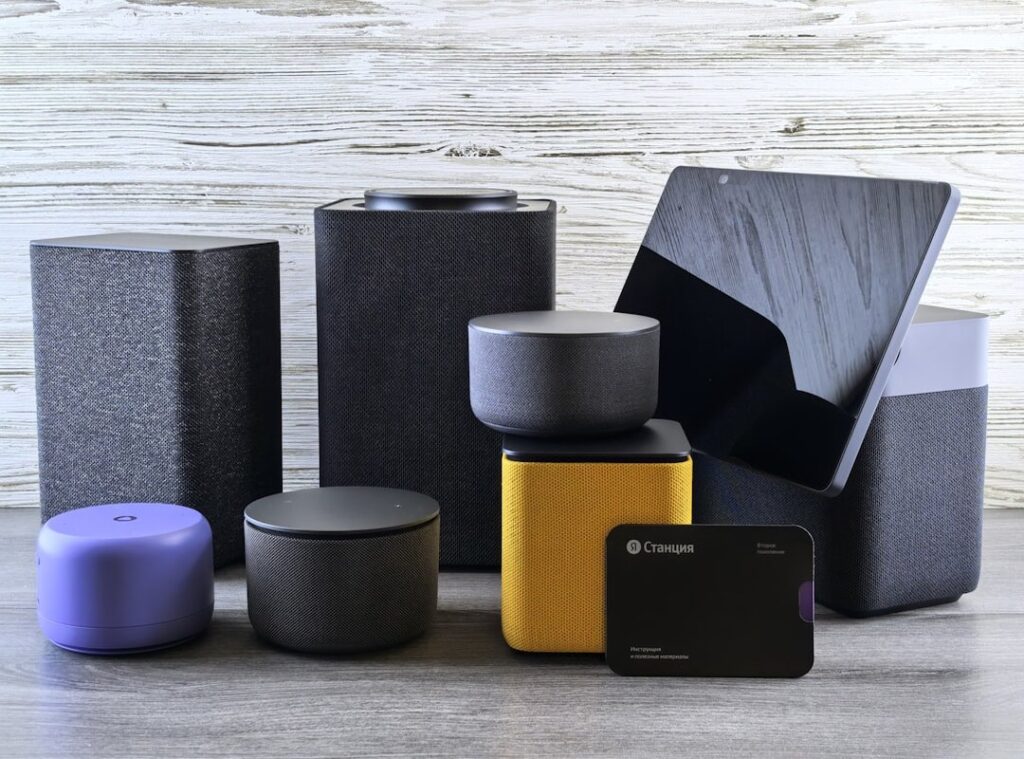
Home automation sounds fantastic, right? But let me tell you, it’s not all smooth sailing. The home automation challenges are real.
You might think, how hard can it be to get your lights and thermostat to cooperate? Well, imagine trying to get them to speak the same language. It’s like herding cats.
I’ve been there. Those glitches when the doorbell just won’t ring or the smart speaker plays a song you didn’t ask for. Frustrating, isn’t it?
But don’t worry, you’re not alone in this mess. I’ve seen it all, and I’m here to guide you through the chaos.
We’ll dig into the reasons behind these hiccups and how to fix them. This article isn’t just a rant. It’s packed with takeaways from tech enthusiasts and experts who’ve tackled these systems head-on.
By the end, you’ll have a clearer path to making your smart home actually smart.
The Compatibility Conundrum: Navigating the Tech Jungle
Nobody wants to drop a chunk of change on shiny gadgets that refuse to play nice with each other. It’s the nightmare of home automation challenges. Imagine your tech products as a “family”.
They need to speak the same language. Otherwise, you’re stuck with a tower of Babel on your kitchen counter. You know what I mean.
So, what the heck is an space? Think of Google Home, Amazon Alexa, and Apple HomeKit as team captains. These ecosystems manage every player in your smart home.
They keep your gadgets in check, like a coach yelling orders from the sidelines. You can’t have a smart fridge doing its own thing while the thermostat and lights are on a different page.
Now, let’s talk communication protocols (Wi-Fi,) Zigbee, Z-Wave, and the new hotshot Matter. These are the shared languages your devices use. Matter is the fresh face with a mission to become a universal translator.
Sounds like the start of a sci-fi movie, but it’s real life.
Here’s a pro tip: before buying any new gadget, ask yourself some real questions. Does this device fit into my existing space? What language (or) protocol (does) it speak?
Is it compatible with Matter, the new kid on the block? And most importantly, do I really need it, or am I just gadget-happy?
Pick an space that suits the devices you love. Don’t force a fit. It’s like choosing the right outfit (it) needs to feel natural.
You can read up on more of this in our interview with a smart home designer. Trust me, understanding these basics saves headaches down the road.
In the end, communication is key. Make sure your tech family is on speaking terms. With the right space, your home can hum along in harmony.
Sounds like a dream, right?
Beyond the Price Tag: Budgeting for a Truly Smart Investment
When you’re diving into home automation, it’s easy to fixate on the initial hardware cost. But that’s just the tip of the iceberg. What about those sneaky “hidden costs”?
You know, the ones no one talks about until it’s too late. Monthly subscriptions for cloud storage, anyone? Or how about the professional installation fees that pop up unexpectedly?
And let’s not forget upgrading your Wi-Fi network to handle all this new tech. It’s a lot, right?
Now, here’s a bold idea: think of your budget not as a limitation but as a creative constraint. It forces you to make thoughtful, impactful choices. Ever heard of the “Start Small, Dream Big” plan?
It’s about beginning with one room or function. Try smart lighting in the living room or a smart thermostat. Learn as you go.
Expand over time. It’s not about going all in from day one. It’s about building a system that works for you, piece by piece.
Here’s a pro tip: start with high-impact, low-cost options. Smart plugs can turn your old, “dumb” appliances into smart ones. Or use smart bulbs to transform your room’s mood with a splash of color.
These small changes can make a big difference without draining your wallet.
Facing home automation challenges can feel overwhelming. But by breaking down costs and starting small, you can make this journey manageable and even fun. Budgeting isn’t a barrier.
It’s an opportunity to be strategic and creative. So, why not embrace it? By tackling these financial obstacles head-on, you’re setting yourself up for a truly smart investment that grows with you.
It’s about more than just technology. It’s about creating a home that enhances your life in meaningful ways.
The Privacy Puzzle: Designing a Secure Digital Sanctuary
Privacy in a connected home is a big deal. We all want our smart homes to be safe, right? But with so many home automation challenges, where do you even start?

First, let’s embrace the idea that a secure smart home is not just a dream. It’s totally doable. I mean, who doesn’t want to flip the script from fear to empowerment?
Here’s how you can create your own digital fortress. Start with a bold move: set up a separate ‘guest’ Wi-Fi network for your smart devices. This simple step keeps your main network locked up tight.
Passwords? Strong and unique ones are your best friends. Don’t just reuse the same old password for everything.
Mix it up. And while we’re at it, always let two-factor authentication (2FA). It’s like adding a deadbolt to your digital door.
Now, vetting brands is key. Look for companies with clear privacy policies and a solid track record of security updates. You don’t want to be stuck with a brand that leaves you hanging.
Here’s a pro tip: understand the difference between local processing and cloud processing. Local processing means your data stays at home (more) privacy, less worry. Cloud processing?
Your data takes a trip to the cloud. Choose wisely based on your comfort level.
And if you’re interested in diving deeper into this topic, check out the Understanding IoT Experts Perspective. It’s packed with takeaways on how to handle these challenges.
Ultimately, the goal is to feel relaxed and worry-free in your smart home. By following these steps, you lay a solid foundation for peace of mind. So, what are you waiting for?
Start building your secure digital sanctuary today.
Smart Homes: Keeping It Simple and Human
Let’s face it: a smart home can feel less “smart” and more like an obstacle course. Who’s got time to juggle a dozen apps just to dim the lights? That’s the first big home automation challenge.
We need a central hub to keep things smooth. Picture this: one app to rule them all. It’s not just about convenience; it’s about sanity.
Here’s a rule I live by: the Five-Second Rule for smart homes. If it takes longer than five seconds to do a basic task, tech has failed. Physical switches?
Still your best friend. And let’s not forget intuitive controls. You shouldn’t need a degree in programming to turn on a lamp.
Now, let’s make it user-friendly for everyone. Set up voice commands for those complex scenes. “Hey Google, it’s movie time”. Boom, lights dim, popcorn ready.
For guests, consider physical smart buttons. They’re like magic but without the wand. Oh, and automated routines?
Important. Porch lights that switch on at sunset mean one less thing to worry about.
Does tech serve us, or do we serve it? The ultimate goal of your smart home should be effortless invisibility. It should work so smoothly you don’t even notice it.
Imagine a home that anticipates your needs without making you jump through hoops.
Pro tip: Involve your family when setting up these systems. It avoids confusion later. Plus, they’ll tell you what works and what doesn’t in real-life scenarios.
And let’s not kid ourselves, pop culture gets this too. Remember Tony Stark’s JARVIS? That’s the dream.
In the end, technology should boost your life, not complicate it. Focus on creating a home that feels naturally livable. That’s what true smart living is all about.
Turn Hesitation Into Action
Thinking about home automation challenges? I get it. Every roadblock you’ve imagined has a solution.
Whether it’s chaos, cost, or complexity, each can be tackled. Planning puts chaos in check. Starting small keeps costs in line.
And focusing on human-centric design makes complexity manageable. These aren’t roadblocks; they’re guideposts to a smarter home.
Your next move? Pick one area in your home to improve. Start researching that first smart device today.
Trust me, you’ll find it’s easier than you think. Once you take that first step, the rest will fall into place. Let’s get started.
 Dustin Brusticker writes the kind of smart living concepts content that people actually send to each other. Not because it's flashy or controversial, but because it's the sort of thing where you read it and immediately think of three people who need to see it. Dustin has a talent for identifying the questions that a lot of people have but haven't quite figured out how to articulate yet — and then answering them properly.
They covers a lot of ground: Smart Living Concepts, Tech-Enhanced Design Elements, Expert Breakdowns, and plenty of adjacent territory that doesn't always get treated with the same seriousness. The consistency across all of it is a certain kind of respect for the reader. Dustin doesn't assume people are stupid, and they doesn't assume they know everything either. They writes for someone who is genuinely trying to figure something out — because that's usually who's actually reading. That assumption shapes everything from how they structures an explanation to how much background they includes before getting to the point.
Beyond the practical stuff, there's something in Dustin's writing that reflects a real investment in the subject — not performed enthusiasm, but the kind of sustained interest that produces insight over time. They has been paying attention to smart living concepts long enough that they notices things a more casual observer would miss. That depth shows up in the work in ways that are hard to fake.
Dustin Brusticker writes the kind of smart living concepts content that people actually send to each other. Not because it's flashy or controversial, but because it's the sort of thing where you read it and immediately think of three people who need to see it. Dustin has a talent for identifying the questions that a lot of people have but haven't quite figured out how to articulate yet — and then answering them properly.
They covers a lot of ground: Smart Living Concepts, Tech-Enhanced Design Elements, Expert Breakdowns, and plenty of adjacent territory that doesn't always get treated with the same seriousness. The consistency across all of it is a certain kind of respect for the reader. Dustin doesn't assume people are stupid, and they doesn't assume they know everything either. They writes for someone who is genuinely trying to figure something out — because that's usually who's actually reading. That assumption shapes everything from how they structures an explanation to how much background they includes before getting to the point.
Beyond the practical stuff, there's something in Dustin's writing that reflects a real investment in the subject — not performed enthusiasm, but the kind of sustained interest that produces insight over time. They has been paying attention to smart living concepts long enough that they notices things a more casual observer would miss. That depth shows up in the work in ways that are hard to fake.