

Building a home that feels good and doesn’t wreck the planet? That’s the dream, right? But navigating the world of building materials is like diving into a sea of confusion, especially when you’re trying to be eco-conscious.
I get it. I’ve been deep into the world of home innovation and design trends, where sustainability isn’t just a buzzword. It’s a pillar of modern living.
And here’s the thing: a sustainable home isn’t just good for the planet. It’s smarter and healthier for you too.
In this guide, I’ll show you the best eco-friendly home materials. The options aren’t just practical (they’re) beautiful. You’ll see their benefits unfold, making your home a haven for both you and nature.
Stick with me. You’ll get an inspiring, practical look at crafting a home that truly cares.
Green Building: The New Standard
Eco-friendly home materials are more than just a trend. They’re a smart choice (and frankly, a necessity) for anyone looking to build or renovate today. But what does “sustainable” really mean?
It’s not just about being kind to the planet. A material is sustainable when it’s renewable, recycled, or has low embodied carbon. It should also be non-toxic, ensuring that it doesn’t harm you or the environment.
Let’s talk about the human side of this. Low-VOC materials are a game-changer. They drastically improve indoor air quality, creating a healthier place to live.
Think of it as creating a sanctuary for your family. Who doesn’t want that? You get to breathe easy, literally.
Then there’s the financial angle. People often overlook how green building is an investment. Materials with better insulation and energy performance can save you a ton on utility bills over the home’s lifetime.
These choices increase property value too. It’s not just ethical; it’s smart. You’re not just saving money; you’re future-proofing against rising energy costs.
So, if you’re thinking of going green, you’re on the right track. It’s more than just the right thing to do (it’s) the savvy thing. Want to learn more about how bold colors can transform your home?
Check out this guide. It’s all about making choices that benefit you and the planet.
The Heart of Your Home: Earth-Friendly Building Blocks
When it comes to eco-friendly home materials, the choices you make at the core of your home really set the stage. And let’s be real: nothing screams character quite like reclaimed wood. This stuff has seen things!
With its weathered look, it adds a story (sometimes literally) to your living space. Plus, using reclaimed wood is like giving old materials new life.
Now, if you haven’t considered bamboo, you’re missing out. It’s not a tree but a grass, a fast-growing one at that. It grows so quickly you could almost watch it happen.
Strong, sustainable, and versatile, it’s kind of the MVP of eco-materials.
Ever heard of Insulated Concrete Forms, or ICFs? These might just be your new best friend. Imagine interlocking foam blocks filled with concrete that create a super-insulated, airtight structure.
Think of it like a permanent thermos for your home. ICFs don’t just keep you cozy; they’re durable and energy-fast too.
Then there’s rammed earth, which sounds a bit rugged but is beautifully practical. It has this unique, layered look with natural tones that blend right into the surroundings. It’s like the earth’s version of a cozy quilt, keeping your home cool in the summer and warm in the winter.
It’s been used for centuries, so clearly, they’re onto something.
Pro tip: Choosing materials like these benefits your personal space but also contributes to a healthier planet. Why not make your home a statement of both style and substance?
New Interiors: Style Meets Sustainability
When we talk about eco-friendly home materials, it’s easy to think about solar panels or rainwater harvesting systems. But what about the surfaces we interact with daily? Let’s shift our focus there.
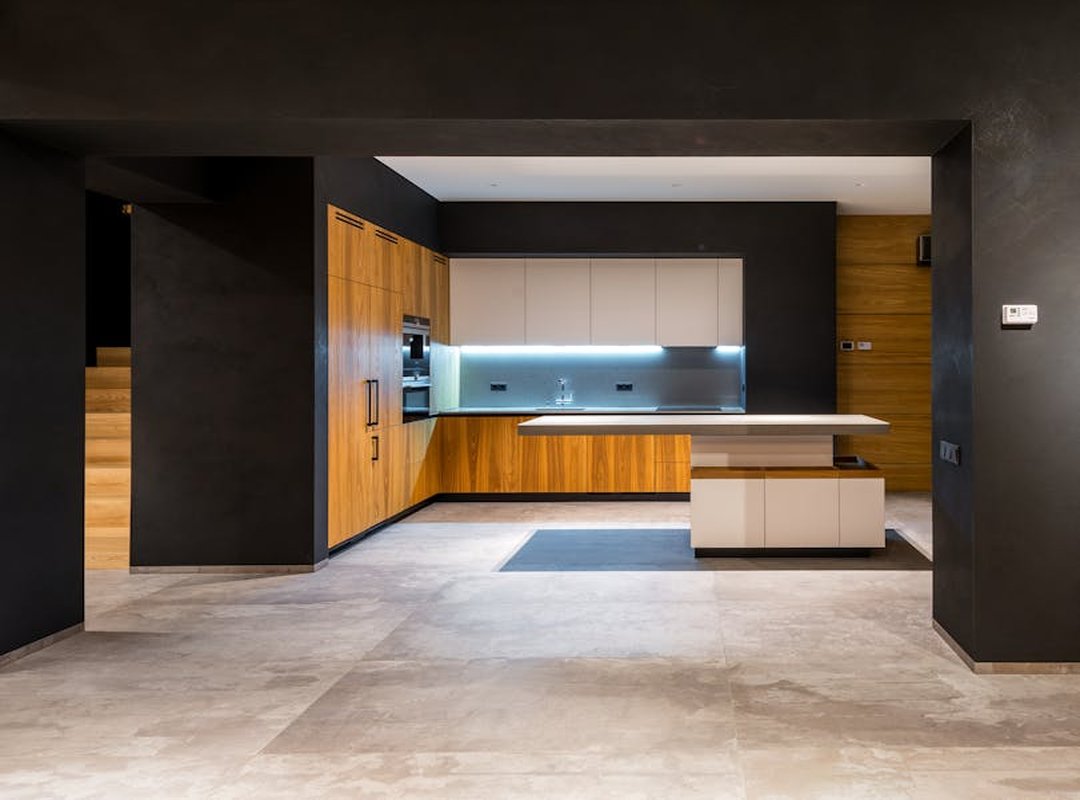
Take flooring. Cork is a game-changer. It’s comfortable, and it absorbs sound.
Did I mention it’s sustainably harvested? Plus, cork naturally fights microbes. Compare that to reclaimed hardwood.
Every plank has a story, a character etched by time. It’s like walking on history.
Countertops can be eco-chic too. Recycled glass countertops offer a modern, terrazzo-like look. They’re stunning and sustainable.
Then there’s paper composite, with a warm, matte finish that rivals any quarried stone. These materials make your kitchen both stylish and responsible.
Now, about those walls and ceilings. Low-VOC or Zero-VOC paints are a must. They stop harmful chemicals from off-gassing into your home.
This one change can revolutionize your interior health. Seriously, why wouldn’t you choose it? It’s one of the easiest ways to create a healthier living space.
And here’s a thought: what if we embraced minimalist decor less is more 2023? It’s a concept that aligns perfectly with sustainable living. Check it out here.
Pro tip: When choosing materials, consider their life cycle. Not just their initial appeal. Every choice you make can echo sustainability.
So, let’s keep our homes stylish and our planet thriving. After all, a beautiful home shouldn’t cost the earth.
Tech Meets Sustainability: Future-Proof Your Home
Let’s talk about eco-friendly home materials. Seriously, why isn’t everyone talking about this? For me, it’s all about balance.
Sustainability shouldn’t feel like a compromise, right?
Take smart glass. This isn’t your grandma’s window pane. It’s all about electrochromic technology that tints windows on demand.
No more fiddly curtains or ridiculous energy bills. You know what makes me excited? Using tech not just for convenience but for cutting down energy use.
Imagine controlling the light and heat in your home with just a tap. It’s luxury, efficiency, and a little bit James Bond.
And then there’s solar shingles. Not those ugly bulky panels of the past. These tiles blend right into your roofline.
They’re like stealthy little warriors generating clean energy without ruining your house’s vibe. Remember, there’s more to a roof than just keeping rain out. There’s also ‘cool roof’ materials that reflect sunlight.
It’s like giving your home its own sunscreen. Keeps everything just that bit cooler.
Recycling has gone way beyond sorting plastics. Like turning recycled plastics into building blocks. It blows my mind.
It’s a step toward reducing plastic waste while adding excellent insulation. I’m talking about structural integrity with a conscience. Mistakes happen when we don’t think ahead.
So, what’s the lesson here? Combine innovation with sustainability. It’s not just smart.
It’s necessary.
Doesn’t it make sense to push for homes that respect the planet? That’s the future I want to live in.
Build Your Dream Eco-Home Now
Choosing eco-friendly home materials isn’t just a trend. It’s a game-changer. I know navigating construction can feel like a maze.
But with the right knowledge and a touch of inspiration, it’s entirely doable. Who doesn’t want a home that’s healthier for the family and kinder to the planet? It’s not just about feeling good.
It’s about living better.
The initial challenge might seem daunting, but think of the rewards. A home that’s fast, stunning, and future-proof. Imagine the savings and the peace of mind.
You’re not just building a house; you’re crafting a legacy.
Curious about what comes next? Dive into our content on smart living and decor innovation. Let us guide you through the world of sustainable design.
You’re on the right path already. Don’t stop here. Explore more.
Help yourself. You deserve a home that reflects your values. Ready to start?
Let’s make it happen together.
 Dustin Brusticker writes the kind of smart living concepts content that people actually send to each other. Not because it's flashy or controversial, but because it's the sort of thing where you read it and immediately think of three people who need to see it. Dustin has a talent for identifying the questions that a lot of people have but haven't quite figured out how to articulate yet — and then answering them properly.
They covers a lot of ground: Smart Living Concepts, Tech-Enhanced Design Elements, Expert Breakdowns, and plenty of adjacent territory that doesn't always get treated with the same seriousness. The consistency across all of it is a certain kind of respect for the reader. Dustin doesn't assume people are stupid, and they doesn't assume they know everything either. They writes for someone who is genuinely trying to figure something out — because that's usually who's actually reading. That assumption shapes everything from how they structures an explanation to how much background they includes before getting to the point.
Beyond the practical stuff, there's something in Dustin's writing that reflects a real investment in the subject — not performed enthusiasm, but the kind of sustained interest that produces insight over time. They has been paying attention to smart living concepts long enough that they notices things a more casual observer would miss. That depth shows up in the work in ways that are hard to fake.
Dustin Brusticker writes the kind of smart living concepts content that people actually send to each other. Not because it's flashy or controversial, but because it's the sort of thing where you read it and immediately think of three people who need to see it. Dustin has a talent for identifying the questions that a lot of people have but haven't quite figured out how to articulate yet — and then answering them properly.
They covers a lot of ground: Smart Living Concepts, Tech-Enhanced Design Elements, Expert Breakdowns, and plenty of adjacent territory that doesn't always get treated with the same seriousness. The consistency across all of it is a certain kind of respect for the reader. Dustin doesn't assume people are stupid, and they doesn't assume they know everything either. They writes for someone who is genuinely trying to figure something out — because that's usually who's actually reading. That assumption shapes everything from how they structures an explanation to how much background they includes before getting to the point.
Beyond the practical stuff, there's something in Dustin's writing that reflects a real investment in the subject — not performed enthusiasm, but the kind of sustained interest that produces insight over time. They has been paying attention to smart living concepts long enough that they notices things a more casual observer would miss. That depth shows up in the work in ways that are hard to fake.