
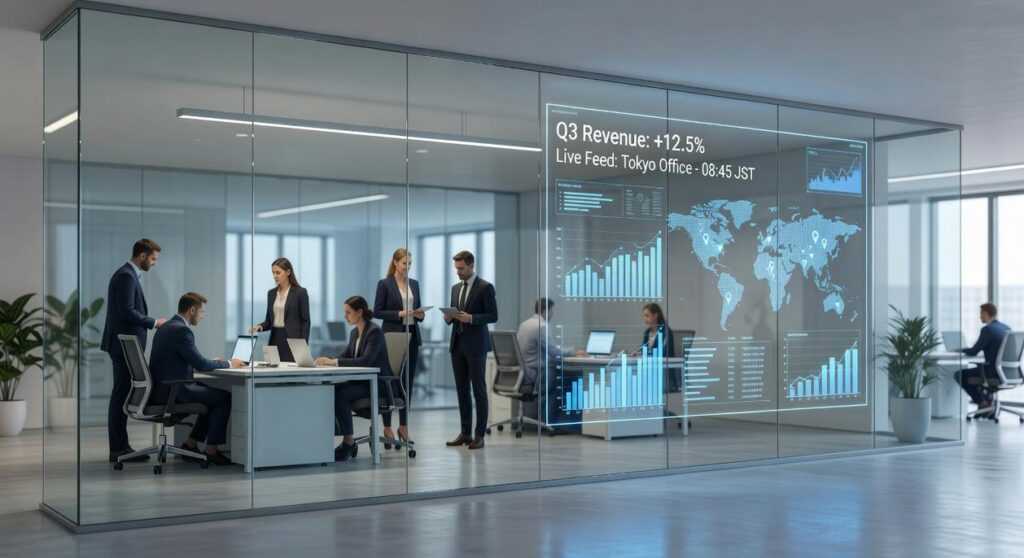
Homes are no longer just places we live—they’re becoming environments that respond to us. Intelligent glass panels are leading this transformation, evolving from simple windows into dynamic surfaces that adjust to light, privacy, and even entertainment needs. Traditional walls and windows are static, forcing homeowners to compromise between openness and seclusion. With smart glass home technology, spaces can instantly shift from transparent to opaque, bright to shaded, functional to immersive. Based on extensive research into tech-enhanced design and practical home automation, this guide explains what intelligent glass is, how it works, and how to integrate it seamlessly into a modern, responsive living space.
From Sci-Fi to Reality: Understanding Smart Glass Technology
Smart glass—also called switchable glass—is a material that changes how much light passes through it when an electrical voltage is applied. In simple terms, the glass shifts from clear to opaque or tinted on demand. (Yes, it’s very “Tony Stark’s penthouse,” but it’s real.)
There are three main types:
- PDLC (Polymer Dispersed Liquid Crystal): Instantly turns from transparent to frosted, making it ideal for privacy walls and bathroom partitions.
- SPD (Suspended Particle Device): Adjusts tint levels for shading, reducing glare and heat.
- Electrochromic glass: Slowly darkens or lightens, offering energy-efficient control over sunlight.
Some skeptics argue traditional blinds are cheaper and simpler. That’s true upfront. But smart glass home technology eliminates cords, reduces UV damage, and can lower cooling costs by limiting solar heat gain (U.S. Department of Energy).
The key takeaway? One pane can act as a window, wall, or shade—much like modern voice controlled lighting systems for contemporary spaces, but for daylight itself.
More Than a Window: 5 Features of Intelligent Glass Panels
Ever tried sticking a flimsy privacy film on your bathroom window, only to watch it peel off a week later? Or wrestled with blinds that never quite block the afternoon glare? Traditional windows can feel like a daily compromise. Intelligent glass panels change that equation entirely.
1. Instant Privacy Control
With the tap of a button, glass shifts from crystal clear to frosted in milliseconds. Bathrooms, conference rooms, and street-facing windows can go private on demand—no cords, no curtains, no awkward “Did they just see me?” moments. (Yes, we’ve all had one.)
2. Dynamic Climate & Light Management
Harsh sunlight doesn’t just heat up a room—it fades furniture and flooring over time. Smart glass can block UV rays and reduce solar heat gain, lowering cooling costs (U.S. Department of Energy notes that heat gain through windows accounts for 25–30% of residential cooling energy use). Panels can auto-tint based on sun intensity or time of day. Pro tip: Pair it with a smart thermostat for maximum efficiency.
3. Integrated Media Displays
Why mount a bulky TV when your glass can become the screen? These panels transform into high-definition projection surfaces or interactive displays—ideal for home theaters or even kitchen backsplashes streaming recipes. It’s a little sci-fi, a little James Bond, and surprisingly practical.
4. Enhanced Security
Laminated intelligent glass is more durable than standard panes and can integrate with security systems. In a breach, it can turn opaque or flash to disorient intruders. That’s peace of mind you can actually see.
5. Ambient & Wellness Lighting
Lighting affects mood and sleep cycles. Tunable glass can adjust opacity and color temperature to mimic natural daylight patterns, supporting circadian rhythms (National Sleep Foundation highlights light exposure as key to sleep health).
At its best, smart glass home technology solves the small, persistent annoyances we’ve quietly tolerated for years—and makes them disappear.
A Designer’s Guide to Integrating Smart Glass
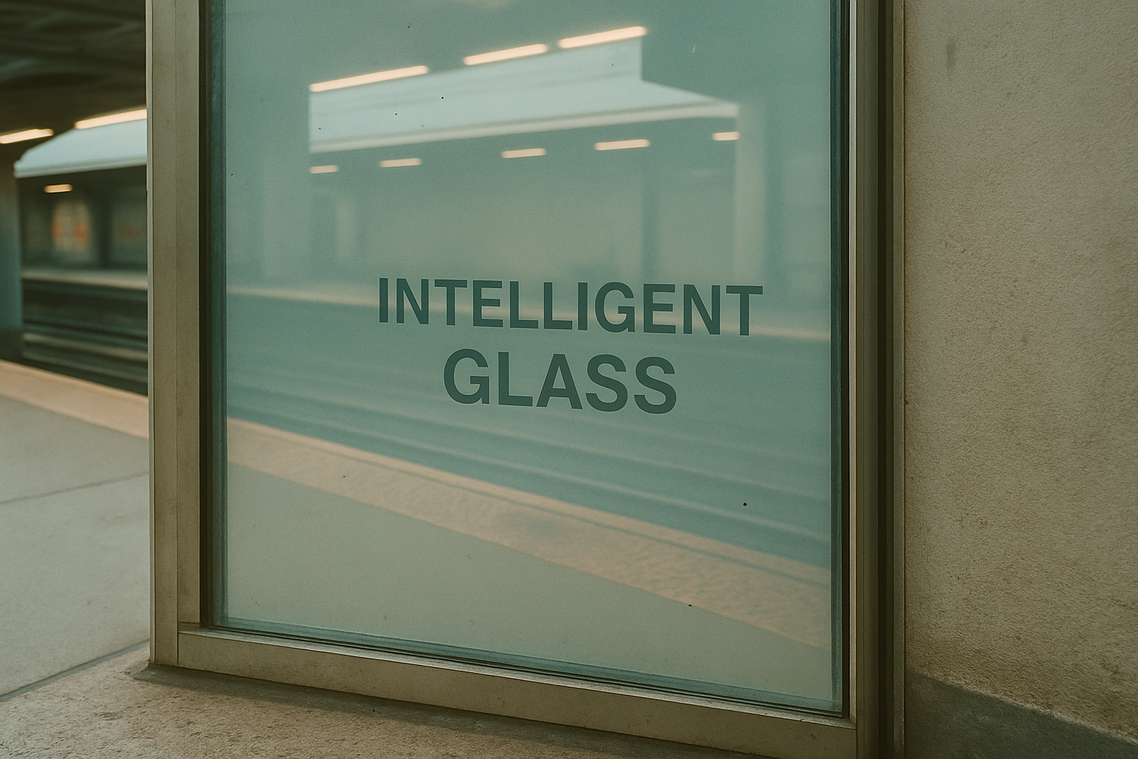
Designers love a material that multitasks. Enter smart glass home technology—the overachiever of modern interiors. It’s glass that switches from clear to opaque on demand, giving you privacy, light control, and energy efficiency without bulky blinds or dramatic curtain flourishes (save those for the theater).
Exterior Windows & Skylights
The most common application is exterior glazing. Smart glass lets you create seamless indoor-outdoor connections while maintaining insulation and privacy. Imagine a living room that opens visually to the garden by day, then turns discreet at night. Some argue traditional low-E windows and motorized shades are more cost-effective—and they can be. But eliminating layered treatments simplifies sightlines and reduces maintenance (no tangled cords, ever). Pro tip: pair smart skylights with automated climate sensors to improve thermal performance year-round.
Interior Partitions & Doors
Open-plan layouts are wonderful—until someone takes a Zoom call in the kitchen. With switchable partitions, a home office can shift from open and airy to fully private in seconds. Critics say movable walls or curtains achieve the same effect. True, but glass preserves natural light flow while controlling visibility. It’s flexibility without visual clutter.
Bathroom & Wet Room Innovation
A single glass shower panel that toggles from clear to opaque maximizes daylight while preserving modesty. It feels a bit James Bond, minus the espionage.
Kitchen & Cabinetry Applications
Consider creative uses like:
- Pantry doors that reveal contents on command
- Cabinet fronts that shift from display case to minimalist facade
- Bar enclosures that conceal the “creative chaos” after guests leave
Smart glass doesn’t just divide space—it edits it. And every great design deserves a good editor.
The Practical View: Weighing the Pros and Cons
The upside is compelling: lower energy bills through better insulation, multi-functionality (privacy and projection in one surface), smarter space optimization, sleeker aesthetics, and undeniable wow-factor. It’s the kind of feature that makes guests pause mid-sentence. Proponents of smart glass home technology argue the long-term savings justify the price.
Critics push back—and fairly so. Upfront costs exceed traditional glass, installation typically requires professionals, and electrical integration adds complexity. Yet, while the entry price stings, the blend of efficiency, design flexibility, and modern appeal often offsets those concerns over time.
The Future is Clear: Designing Your Adaptive Home
You set out to understand how intelligent glass panels are transforming modern living, and now you can clearly see the possibilities. smart glass home technology eliminates the limits of static spaces, giving you privacy, light control, and energy efficiency exactly when you need it. No more compromising between openness and comfort—your home adapts in real time.
If you’re tired of rooms that can’t keep up with your lifestyle, it’s time to upgrade. Start planning where dynamic glass can replace outdated surfaces and experience smarter living firsthand. Discover how cutting-edge innovation can finally make your home work for you.
 Dustin Brusticker writes the kind of smart living concepts content that people actually send to each other. Not because it's flashy or controversial, but because it's the sort of thing where you read it and immediately think of three people who need to see it. Dustin has a talent for identifying the questions that a lot of people have but haven't quite figured out how to articulate yet — and then answering them properly.
They covers a lot of ground: Smart Living Concepts, Tech-Enhanced Design Elements, Expert Breakdowns, and plenty of adjacent territory that doesn't always get treated with the same seriousness. The consistency across all of it is a certain kind of respect for the reader. Dustin doesn't assume people are stupid, and they doesn't assume they know everything either. They writes for someone who is genuinely trying to figure something out — because that's usually who's actually reading. That assumption shapes everything from how they structures an explanation to how much background they includes before getting to the point.
Beyond the practical stuff, there's something in Dustin's writing that reflects a real investment in the subject — not performed enthusiasm, but the kind of sustained interest that produces insight over time. They has been paying attention to smart living concepts long enough that they notices things a more casual observer would miss. That depth shows up in the work in ways that are hard to fake.
Dustin Brusticker writes the kind of smart living concepts content that people actually send to each other. Not because it's flashy or controversial, but because it's the sort of thing where you read it and immediately think of three people who need to see it. Dustin has a talent for identifying the questions that a lot of people have but haven't quite figured out how to articulate yet — and then answering them properly.
They covers a lot of ground: Smart Living Concepts, Tech-Enhanced Design Elements, Expert Breakdowns, and plenty of adjacent territory that doesn't always get treated with the same seriousness. The consistency across all of it is a certain kind of respect for the reader. Dustin doesn't assume people are stupid, and they doesn't assume they know everything either. They writes for someone who is genuinely trying to figure something out — because that's usually who's actually reading. That assumption shapes everything from how they structures an explanation to how much background they includes before getting to the point.
Beyond the practical stuff, there's something in Dustin's writing that reflects a real investment in the subject — not performed enthusiasm, but the kind of sustained interest that produces insight over time. They has been paying attention to smart living concepts long enough that they notices things a more casual observer would miss. That depth shows up in the work in ways that are hard to fake.