
Homes are getting smarter, more efficient, and more personalized than ever before—and you’re likely here to understand how the latest decor trends and technology can actually improve your everyday living. This article explores how modern design blends with innovation, from space-saving aesthetics and sustainable materials to machine learning home automation systems that adapt to your routines.
Instead of chasing trends that look good but fail in practice, we focus on ideas that enhance comfort, functionality, and long-term value. Our insights are built on in-depth research, expert commentary from smart tech specialists and interior design professionals, and hands-on analysis of emerging home solutions.
You’ll discover practical upgrades, forward-thinking decor concepts, and intelligent automation strategies that make your home more beautiful—and more responsive to your lifestyle. Whether you’re redesigning a single room or reimagining your entire space, this guide will help you make informed, future-ready decisions.
From Automation to Intelligence
Your ‘smart’ home isn’t that bright, is it? “I still have to tell it everything,” a homeowner told me. In other words, it’s just a glorified remote. However, machine learning home automation changes the script. Instead of rigid if-then rules, algorithms analyze patterns—when you wake, dim lights, or arm security. “It knows I like jazz at dinner,” another user laughed. Consequently, your home anticipates needs, saving energy and boosting safety. Critics argue it’s creepy; fair. Yet, as devices learn, they sync with real life (finally). That’s the leap from automation to true intelligence. And it works.
From ‘If This, Then That’ to ‘Learning Your Life’
I’ll admit it: my first attempt at smart home automation was painfully rigid. I set rules like, “Turn lights on at 6 PM.” It worked—until it didn’t. Summer arrived, sunset shifted, and suddenly my house lit up like a stage at high noon. That’s the difference between rule-based automation and adaptive systems.
Rule-based setups follow fixed instructions: If this happens, then do that. No nuance. No context. In contrast, machine learning home automation observes patterns and adjusts. Instead of “6 PM,” it learns when you typically arrive home—and even accounts for seasonal light changes.
Think of it like thermostats. A basic one follows a strict schedule. An ML-powered version notices when you feel cold, when you leave, and when you’re driving back (yes, it connects the dots), optimizing comfort and energy use proactively.
At its core, machine learning means pattern recognition. The system studies behavior and predicts what’s next. Its three superpowers are:
- Predictive analysis: anticipating needs before you tap an app
- Personalization: adapting to each household member
- Anomaly detection: spotting unusual activity (like a door opening at 3 AM)
The lesson? Smart homes shouldn’t just follow instructions. They should learn your life.
How Your Home Learns: Real-World Examples in Action
Last winter, I noticed something odd: every evening around 7:30, my living room felt perfectly cozy without me touching the thermostat. At first, I assumed I’d scheduled it. I hadn’t. The system had quietly learned that after dinner I curl up on the couch (usually with a blanket and a streaming queue) and prefer it two degrees warmer.
Adaptive Climate & Lighting
That’s adaptive learning in action. Instead of relying on pre-programmed “scenes,” smart systems analyze patterns—time of day, occupancy, even light levels—to predict what you’ll want. For example, my lights now dim automatically when the TV turns on. I never created a “movie night” rule. The system recognized the pattern and adjusted. In other words, it moved from automation (fixed rules) to prediction (behavior-based adjustments). Some argue this feels intrusive. However, when the result is comfort without constant tweaking, it feels less like surveillance and more like intuition.
Intelligent Security
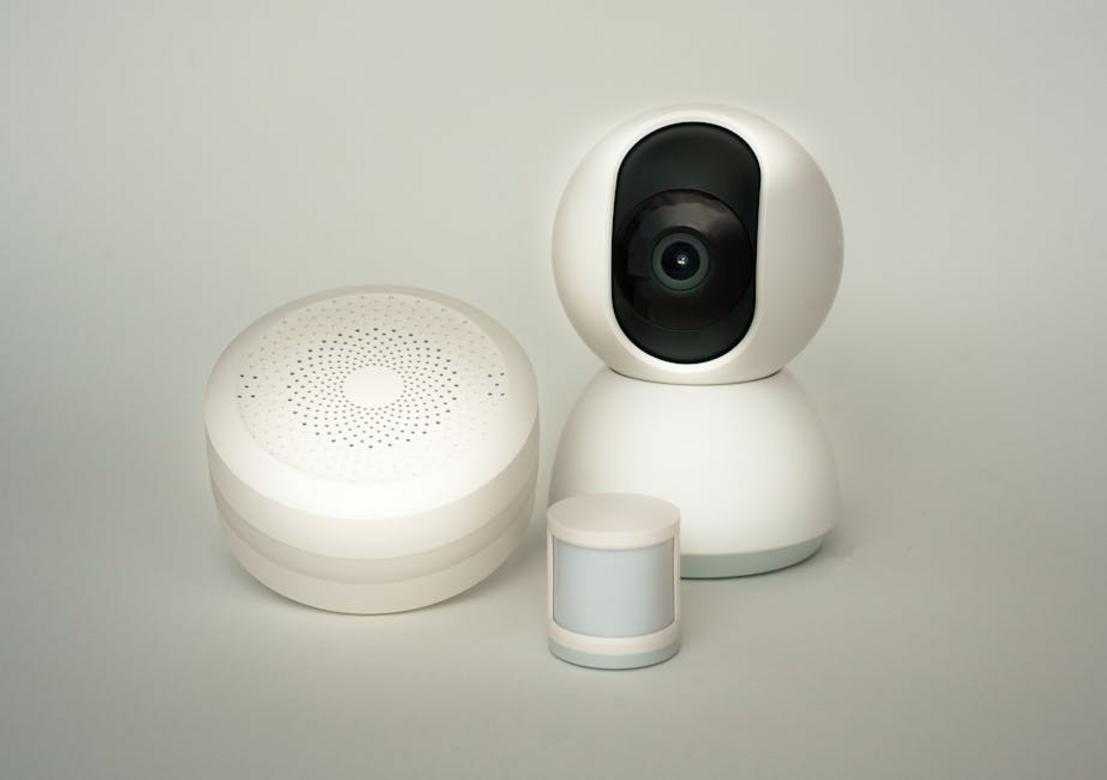
Meanwhile, security has become far less dramatic. Modern cameras use machine learning (a system’s ability to improve from data without explicit reprogramming) to tell the difference between my dog, a delivery driver, and a stranger. False alarms dropped significantly—studies show AI-powered detection can reduce false alerts by over 50% (Security Industry Association). Smart locks even nudge me when I forget to lock up at my usual time. Convenient, not creepy.
Automated Ambiance & Entertainment
Similarly, my speaker now plays mellow playlists on Sunday evenings and upbeat tracks weekday mornings. It learns context—time, volume habits, skip behavior—and suggests accordingly (yes, it knows I skip slow songs before coffee).
Efficient Resource Management
Finally, efficiency improves quietly. Smart sprinklers check weather forecasts and soil moisture before watering, cutting outdoor water use by up to 30% (EPA WaterSense). Appliances shift cycles to off-peak hours based on learned routines. That’s machine learning home automation working behind the scenes—saving energy, water, and effort without asking for applause.
The Brains of the Operation: Sensors, Data, and Algorithms
Every smart home starts with senses. Motion detectors, temperature gauges, ambient light sensors, microphones, even humidity trackers—these devices collect the raw information that makes intelligence possible. Without data, machine learning home automation simply doesn’t work. Think of sensors as the nervous system of your home, constantly gathering signals about what’s happening in each room.
That data becomes FUEL. It builds a digital snapshot of your routines—when you wake up, how bright you like the kitchen at night, or when the house is empty. Algorithms (step-by-step decision models that learn from patterns) analyze this stream and adjust lighting, climate, and security automatically. The benefit? Less manual control, lower energy bills, and a home that feels like it anticipates your needs (almost like it read the script ahead of time).
Privacy, of course, matters. Cloud-based processing sends data to external servers, while EDGE processing keeps it on local devices. The shift toward on-device ML means:
- Faster response times
- Greater DATA CONTROL
- Reduced exposure to breaches
If you’re concerned, start by evaluating data privacy risks in connected home devices: https://decoradtech.com.co/evaluating-data-privacy-risks-in-connected-home-devices/
Finally, the learning loop is simple: observe, predict, adjust. If you override a setting, the system adapts. Over time, the experience becomes smoother, smarter, and uniquely yours.
First, expect proactive maintenance to become standard. Instead of reacting to breakdowns, your home will flag subtle performance dips in your HVAC or appliances before failure hits on a sweltering afternoon. Next, lean into holistic wellness features. Systems will learn your baseline sleep, activity, and mood patterns, then adjust lighting and sound to support recovery or alert you to unusual shifts. Most importantly, prepare for true hyper-personalization. With machine learning home automation, rooms will instantly adapt temperature and brightness based on who enters. Start upgrading sensors and interoperable platforms now to stay ahead. Prioritize privacy safeguards as capabilities expand responsibly.
Creating a Home That Works for You, Not the Other Way Around
A connected home responds to commands. An intelligent home anticipates them. The difference? Learning. Instead of manually programming schedules, machine learning home automation studies your habits—when you wake, adjust lighting, or lower the thermostat—and adapts automatically.
Here’s how to make it practical:
- When shopping for devices, choose ones labeled “adaptive learning” or “AI-powered.” For example, smart thermostats like Google Nest learn your temperature preferences over time (Google Support, 2023).
Pro tip: Start with one high-impact device (like lighting or climate control) before expanding. Small upgrades, thoughtfully chosen, create a home that quietly works in your favor.
Smarter Living Starts Now
You came here looking for practical ways to make your home smarter, more efficient, and easier to manage. Now you’ve seen how modern design, automation tools, and machine learning home automation can work together to simplify daily routines and enhance comfort without sacrificing style.
The real frustration isn’t just outdated décor or disconnected devices — it’s wasting time on systems that don’t talk to each other and homes that don’t adapt to your lifestyle. Smart living should feel seamless, not complicated.
The next step is simple: start small and upgrade intentionally. Identify one high-impact area — lighting, climate control, or security — and implement a smart solution that integrates with the rest of your ecosystem. As you build, focus on compatibility and automation features that learn and adjust to your habits.
If you’re tired of juggling apps and dealing with inefficient setups, it’s time to move toward a cohesive, intelligent home strategy. Explore trusted, top-rated smart solutions, compare integration features, and begin transforming your space today. A smarter, more responsive home isn’t a luxury anymore — it’s the upgrade your daily life has been waiting for.