
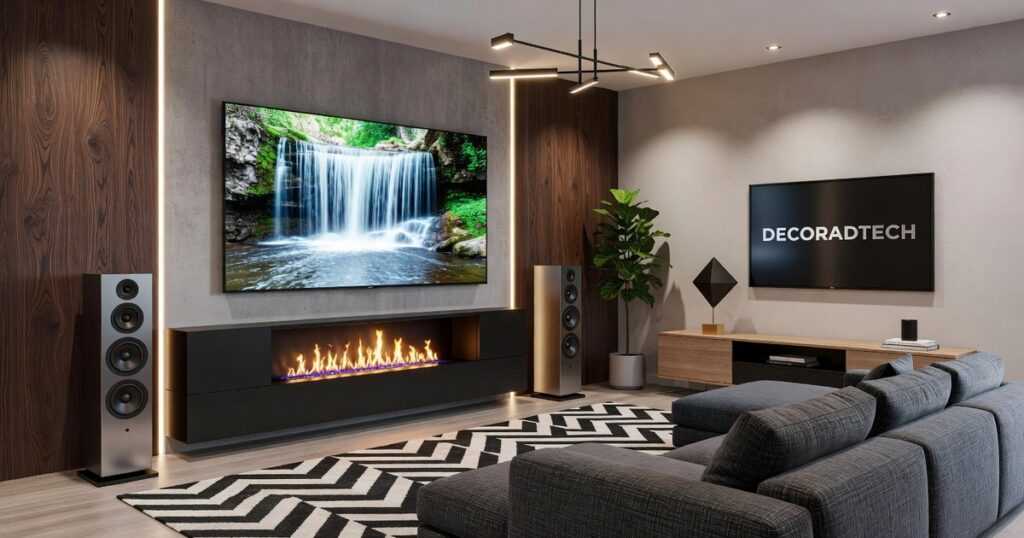
I’ve spent years figuring out how to hide technology in plain sight.
You want your home to be smart. But you don’t want it to look like a tech showroom with plastic hubs on every surface and cables snaking across your walls.
Most smart home setups fail at this. They work great but they’re ugly.
I get why people give up on the idea. Who wants to sacrifice their style for convenience?
Here’s what I’ve learned: you don’t have to choose between a beautiful space and a functional one. You can have both.
This guide shows you how to integrate technology into your home without anyone noticing it’s there. I’m talking about home upgrade decoradtech that actually enhances your design instead of ruining it.
I’ve tested these strategies in real homes. Not just my own but in spaces where aesthetics matter as much as performance.
You’ll learn which devices disappear into your decor. Where to hide the tech you can’t eliminate. And how to make your home smarter without adding visual clutter.
No compromises. Just a space that works beautifully and looks even better.
The Foundation: Integrating Technology from the Walls In
Have you ever walked into a room and felt like the tech was screaming at you?
Cables snaking across the floor. Bulky speakers taking up shelf space. A wall full of different switches that nobody can figure out.
That’s not what a smart home should feel like.
The best home upgrade decoradtech starts where you can’t see it. Inside your walls. Behind your fixtures. Built into the bones of your space.
I’m talking about tech that disappears completely while doing all the heavy lifting.
Smart switches change everything. Forget about replacing every bulb in your house with a smart version. Install something like Lutron Caseta or Brilliant switches instead. They look like regular wall plates (maybe even better). But now that vintage chandelier you love? It’s smart. That floor lamp from your grandmother? Also smart.
You keep the fixtures you actually want. You just control them differently.
Then there’s sound. Most people think good audio means visible speakers. Big ones. Taking up space on every surface.
But in-wall and in-ceiling speakers from brands like Sonos or Polk Audio sit flush with your surfaces. You get room-filling sound without sacrificing a single square foot of floor space. No boxes. No wires running along baseboards.
Just music that seems to come from everywhere and nowhere at once.
This is what I mean by building from the walls in. Your home looks cleaner. Functions better. And nobody who visits can quite figure out how you’re doing it.
The Living Room: Blending Entertainment with Elegance
Your living room probably has a problem.
A big black rectangle staring at you from the wall. Cords dangling everywhere. Remote controls scattered across the coffee table.
I see it all the time. People invest in beautiful furniture and thoughtful decor, then plop a massive TV right in the middle of it all. The screen dominates the room even when it’s off.
Some designers will tell you to just embrace it. They say the TV is part of modern life and you shouldn’t try to hide it.
But I think that misses the point entirely.
You can have your technology and your style. You just need to know how to set up my home decoradtech in a way that makes sense for how you actually live.
Let me break down what actually works.
The Disappearing Television
Art Mode TVs changed everything. Samsung’s The Frame is the obvious example, but other brands have caught on too. When you’re not watching, the screen displays artwork or family photos instead of that dead black void.
It sounds gimmicky until you see it in person.
The TV becomes part of your gallery wall. Guests often can’t tell which frame is the screen until you turn it on.
If you want to go further, motorized lifts hide the TV completely. The screen drops down from the ceiling when you need it or rises from a cabinet at the foot of your bed. Yes, it costs more upfront. But think about how much visual space you get back.
Automated Window Treatments
Smart blinds solve a problem most people don’t realize they have.
Those pull cords? They’re ugly. They break. And if you have kids or pets, they’re actually dangerous (the Consumer Product Safety Commission has been warning about this for years).
Motorized shades eliminate all of that. You can schedule them to open with sunrise and close at sunset. Or program them to adjust throughout the day to keep your home upgrade decoradtech comfortable without cranking the AC.
The best part is the fabric options. You’re not stuck with basic white vinyl anymore. Designer textiles in every texture and pattern you can imagine. Sheer linen for soft light. Blackout weaves for the bedroom. Room-darkening cellular shades that also insulate.
You control everything from your phone or set it to run automatically. No more walking around the house adjusting blinds before you leave.
Aesthetic-Forward Control Hubs
Remember when smart speakers looked like something from a sci-fi movie?
Now they’re designed to blend in. The Google Nest Mini and Amazon Echo Dot come in fabric finishes that sit nicely on a bookshelf. They’re small enough to tuck beside a lamp or nestle between books.
You don’t need a control panel on every wall anymore. Voice commands handle most tasks, and when you do need a screen, your phone works fine.
The goal isn’t to show off your tech. It’s to make your home work better without announcing itself.
The Kitchen & Bedroom: Functional Tech in Personal Spaces
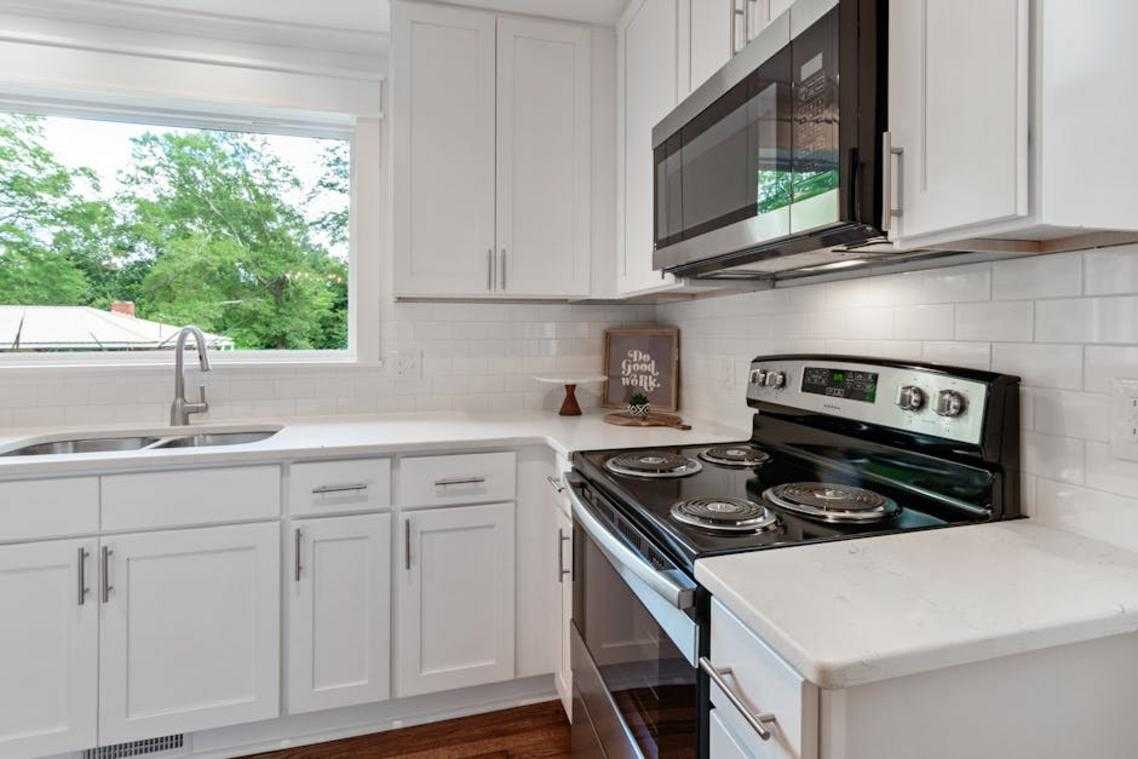
You spend more time in your kitchen and bedroom than anywhere else in your home.
So why do these spaces often feel like tech afterthoughts?
I see it all the time. People load up their living rooms with smart speakers and fancy displays, then walk into kitchens cluttered with charging cables and bedrooms that feel more like command centers than places to rest.
Here’s what I’ve learned after years of testing home hacks decoradtech solutions in real spaces.
The best tech disappears.
The Uncluttered Smart Kitchen
Your countertops don’t need more stuff on them.
According to a 2023 Houzz Kitchen Trends Study, 68% of homeowners say reducing counter clutter is a top priority during renovations. But most people think going smart means adding more devices.
They’re wrong.
I installed an under-cabinet smart display in my own kitchen last year. It sits flush beneath the upper cabinets and pulls up recipes when I need them. The rest of the time? You barely notice it’s there.
Touchless faucets aren’t just for public restrooms anymore. A study from the University of Arizona found that kitchen faucet handles carry more bacteria than toilet seats (yeah, I know). Going touchless means cleaner hands and less mess when you’re elbow-deep in raw chicken.
Smart plugs work best when you can’t see them. I hide mine behind my coffee maker and toaster. My coffee starts brewing five minutes before my alarm goes off. No app to open, no buttons to press while I’m half asleep.
The key is choosing home upgrade decoradtech solutions that solve actual problems instead of creating new ones.
The Restful Tech-Enhanced Bedroom
Your bedroom should help you sleep, not keep you awake.
But most smart bedroom setups do the opposite. Bright displays, notification lights, and tangled charging cables aren’t exactly calming.
Smart thermostats learn your preferences over time. Mine drops the temperature to 67°F around 10 PM because that’s when I historically fall asleep fastest. The National Sleep Foundation recommends keeping bedrooms between 60-67°F for optimal sleep, and I don’t have to think about adjusting it anymore.
Sunrise alarm clocks like the Hatch Restore changed how I wake up. Instead of jarring beeps, light gradually fills the room over 30 minutes. Research from the Journal of Clinical Sleep Medicine shows that light-based alarms reduce sleep inertia (that groggy feeling) better than sound-based ones.
Wireless charging pads built into nightstands solve the cable problem completely. No more fishing for cords in the dark or tripping over chargers on your way to the bathroom at 3 AM.
The goal isn’t to add tech for tech’s sake.
It’s to remove friction from the spaces where you start and end every day.
Finishing Touches: Small Upgrades with Big Design Impact
You don’t always need a full renovation to change how a room feels.
Sometimes the smallest additions make the biggest difference. I’m talking about those standalone pieces that do their job while looking like they belong in a design magazine.
Take air purifiers. Most of them look like they escaped from a hospital supply closet. But brands like Dyson and Molekule? They’ve turned these things into sculptural objects you actually want to display.
The Dyson Pure Cool looks more like modern art than an appliance. And Molekule’s design is so clean that guests ask where I got it before they even know what it does.
Then there’s scent. Because what’s the point of clean air if your space doesn’t feel inviting?
Smart diffusers like Pura and Aera changed the game here. You control everything from your phone. The fragrance intensity. The schedule. Which scent plays in which room.
No more walking into that overpowering wall of artificial vanilla. Just subtle, timed releases that match your routine.
What I love about these home upgrade decoradtech pieces is how they solve real problems without screaming for attention. They blend in while they work.
That’s the sweet spot. Function that looks like intention.
Your Home, Smarter and More Stylish Than Ever
You wanted a connected home that doesn’t look like a tech showroom.
I get it. Smart devices can be clunky and they often clash with the aesthetic you’ve worked hard to create.
This guide showed you something different. You can have both.
The secret is in how you integrate technology into your space. Hide what needs hiding. Choose products that respect your design vision. Make tech work for your style instead of against it.
You don’t have to choose between beautiful and functional anymore.
Start small. Pick one room or focus on a single home upgrade decoradtech that excites you. Maybe it’s smart lighting in your living room or a voice assistant that actually blends in.
That first step transforms how you think about your space. You’ll see how technology can disappear into your design while making your daily life easier.
Your home should reflect who you are. Now it can be intelligent too. Homepage.