
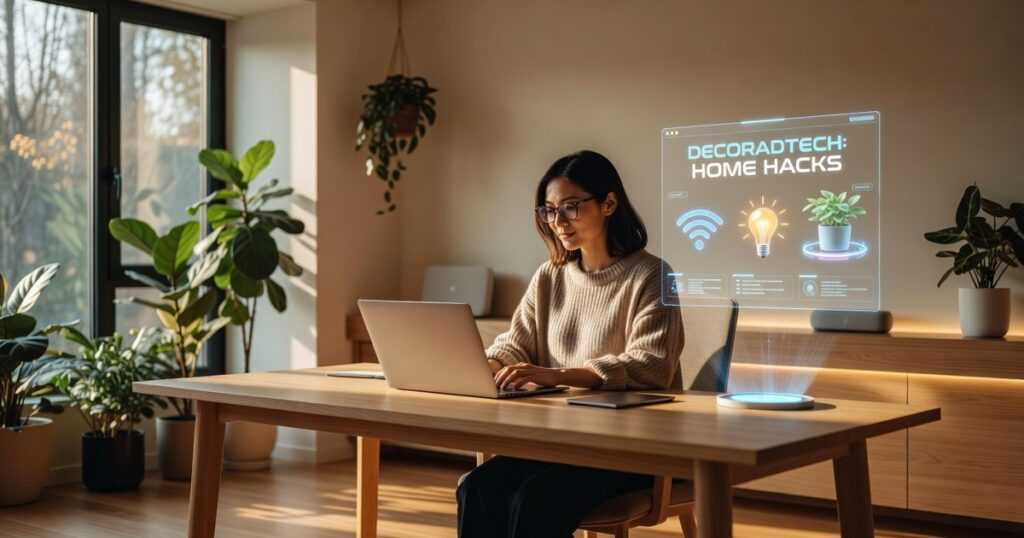
I used to think smart homes meant choosing between a space that looked good or one that actually worked.
You’ve probably seen it too. Tangled cables behind the TV. Smart speakers that stick out like sore thumbs. Tech that screams “I’m here” instead of blending into your carefully chosen decor.
This guide shows you how to merge interior design with smart technology. Not one or the other. Both.
I’m going to walk you through practical ways to hide devices, use smart lighting to make your rooms look better, and turn screens into actual art pieces. The kind of stuff that makes guests ask “wait, where is everything?”
I’ve spent years researching home automation trends and design principles that actually stand the test of time. What works. What doesn’t. What looks good now and won’t feel dated next year.
You’ll learn the home hacks decoradtech that solve the biggest problem most people face: making technology disappear while keeping all the benefits.
No visible wires. No clunky gadgets ruining your aesthetic. Just a home that’s both beautiful and smart.
This is about creating spaces that work for how you actually live.
The First Rule of Tech Decor: Conceal and Command
Nothing kills a room’s vibe faster than a tangle of black cords snaking across your floor.
I’ll be honest. I used to think visible tech was just part of modern living. You want gadgets? You deal with the mess.
But that’s lazy thinking.
Your home doesn’t have to look like the back of a Best Buy. You can have all the tech you want and still maintain a space that feels intentional and clean.
Start with cable management. Fabric cable covers work if you’re renting or don’t want to commit. Zip ties are your friend (the velcro ones, not the plastic nightmares). But if you own your place, in-wall cable kits are worth every penny. Baseboard raceways painted to match your walls? They disappear completely.
Here’s where most people mess up though.
They buy beautiful furniture and then realize too late that there’s nowhere to hide the router or thread the charging cables. I always choose media consoles and nightstands with built-in cable management now. Ventilated cabinets for routers. Charging drawers for phones. It’s not fancy, it’s just smart.
My favorite trick? Mount your router behind a large photo frame. Seriously. Most people never think to look there, and your WiFi works just fine.
I also keep a decorative box on my kitchen counter that houses a charging station. Guests think it’s just decor until they need to charge their phone. For more ideas on blending tech with your space, check out home hacks decoradtech.
Smart speakers belong on bookshelves between actual books. Not front and center like you’re running a tech demo.
The goal isn’t to pretend technology doesn’t exist. It’s to make your space work for you instead of against you.
Lighting as Decor: Setting the Mood with Smart Illumination
Most people think smart lighting means screwing in a color-changing bulb and calling it a day.
I used to think that too.
But after working with clients here in Lexington who wanted their homes to feel different without major renovations, I learned something. Lighting isn’t just about seeing. It’s about feeling.
Let me break down what actually works.
Smart bulbs versus smart switches. Bulbs go in your lamps and fixtures where you want color options or dimming without rewiring anything. Switches replace your wall switches and control whatever fixture is already there. I use bulbs in my bedside lamps because I like warm light at night. But my kitchen? That’s all smart switches since I’m not changing out those recessed lights.
Now here’s where it gets interesting.
Accent lighting changes everything. Those LED light strips you see online? They’re not just for gaming setups. I’ve installed them under kitchen cabinets to light up countertops without that harsh overhead glare. Behind my headboard for a hotel vibe. Even along the back of my TV because bias lighting actually reduces eye strain (your optometrist will thank you).
The real magic happens with scenes though.
Think about it. When you’re watching a movie, you don’t want the same brightness as when you’re cooking dinner. So I program different scenes. My “Movie Night” dims everything to 20% and shifts to warm tones. “Focus” brings up the brightness and goes cooler for when I’m working. “Relax” sits somewhere in between.
One tap. The whole house adjusts.
Some people say this is overkill. That regular switches worked fine for decades. And sure, they did. But those people haven’t tried walking into a perfectly lit room that matches exactly what they’re about to do.
What surprised me most? Smart fixtures themselves have gotten beautiful. We’re not talking about those clunky tech pieces from five years ago. I’m seeing pendant lights and floor lamps that look like they belong in a design magazine. They just happen to connect to your phone.
That’s the home upgrade decoradtech approach I always come back to. Technology should fit your style, not fight it.
Your lighting can be both smart and stunning. You just need to know which pieces go where.
Invisible Acoustics: Integrating High-Fidelity Audio Seamlessly
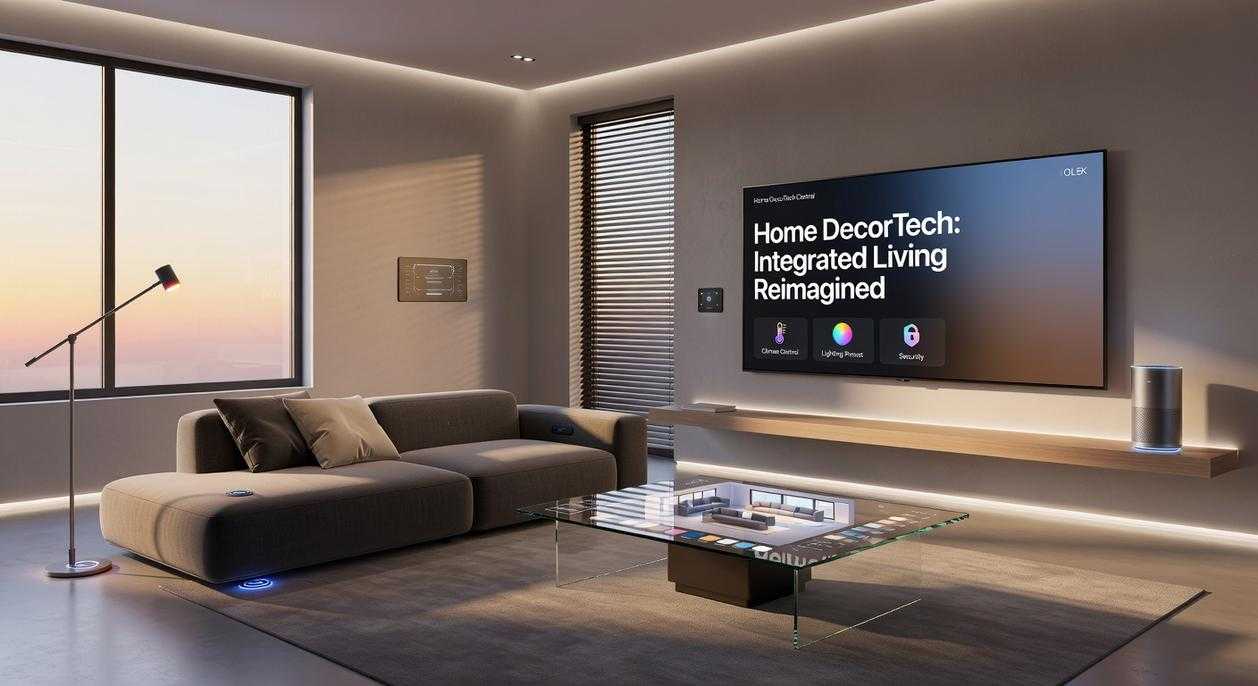
You know those massive black speakers that dominate every living room?
I used to think they were just part of the deal. If you wanted good sound, you had to sacrifice your space and your aesthetic.
Turns out that’s not true anymore.
The big black box problem has a solution. Actually, it has several solutions. And which one works best depends on what you’re trying to do with your space.
Let me break down your options.
In-wall vs in-ceiling speakers is where most people start. Both disappear completely once installed. You get immersive sound without any visible footprint (perfect if you’re going for that minimalist look).
Here’s the difference. In-wall speakers work better for directional audio. They’re great for home theaters where you want sound coming at you from specific angles. In-ceiling speakers spread sound more evenly across a room. Better for background music or whole-home audio setups.
The catch? You need to cut into your walls. Not exactly renter-friendly.
That’s where the speakers disguised as decor trend comes in. I’m talking about picture frames with built-in audio. Bookshelf speakers that actually look like books. Lamps that double as sound sources.
Some people say these are gimmicks. That you’re paying extra for design over performance.
But check out home device decoradtech options and you’ll see the quality has caught up. These aren’t toys anymore.
The soundbar comparison is interesting too. Modern slim soundbars versus traditional 5.1 systems.
A 5.1 system gives you true surround sound. Five speakers plus a subwoofer. But you’re looking at wires, placement issues, and a lot of visual clutter.
A good soundbar? It tucks neatly under your wall-mounted TV. One sleek unit. Some models use home hacks decoradtech like virtual surround processing to simulate that multi-speaker experience.
You lose some audio precision. But you gain back your entire room.
For most people, that’s a fair trade.
The Dynamic Wall: Using Screens as Digital Art
Your TV doesn’t have to be a black hole on your wall when it’s off.
I started thinking about this after staring at my own screen for the hundredth time. That giant dark rectangle just sitting there, doing nothing most of the day.
The Frame TV changed everything.
These screens display art when you’re not binge-watching your favorite shows. High-resolution paintings, your own photos, or rotating collections that shift with your mood. You can even add bezels that look like actual picture frames.
Some people say it’s wasteful to run a screen 24/7 just for looks. Fair point. But most art modes use minimal power (we’re talking pennies a day), and honestly? It beats looking at a blank screen.
Smart digital photo frames work differently.
They’re smaller but just as effective. I use them on shelves and mixed into gallery walls. The best part is refreshing your display without hammering nails into the wall every time you want something new.
Here’s what actually works for curating your digital canvas:
• Match art to your existing color palette (not the other way around)
• Subscribe to services that rotate collections seasonally
• Mix classic paintings with modern photography
For more home hacks decoradtech tips, start with three to five pieces you genuinely like. Test them for a week. See what you actually enjoy looking at versus what just seemed cool at first.
Your walls should work for you, not against you.
Your Blueprint for a Smarter, More Stylish Home
You came here because you wanted both things: a connected home and a beautiful one.
Now you have the roadmap to make it happen.
You don’t have to sacrifice style for smart technology anymore. The two can work together when you know how to blend them.
The secret is in how you approach it. Concealment keeps tech from taking over your visual space. Integration makes devices feel like they belong. Dual-purpose technology does double duty without cluttering your rooms.
I’ve seen too many homes where gadgets stick out like sore thumbs. It doesn’t have to be that way.
Start small. Pick one room or tackle one project first.
Maybe you begin with cable management in your living room. Or you install smart LED strips under your kitchen cabinets. Either way, you’re building toward a home that looks good and works smarter.
Visit home hacks decoradtech for more practical ways to merge technology with design. We share real solutions that work in actual homes, not just showrooms.
Your space should reflect how you live now. Connected but not cluttered. Smart but still stylish.
Take what you’ve learned here and put it to work in one corner of your home this week. Homepage.