
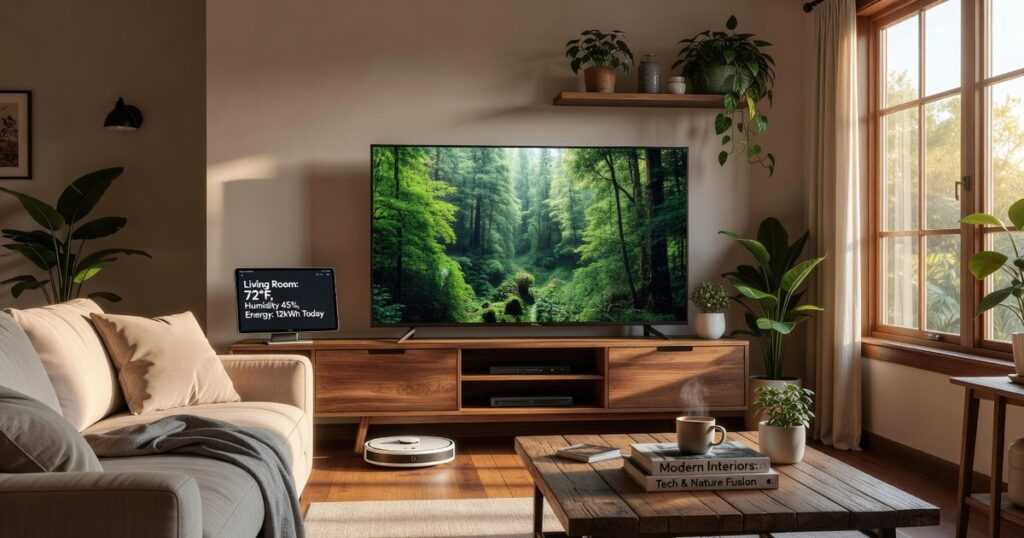
I’ve been rethinking how we approach home decor for years now, and I’m tired of seeing the same tired advice everywhere.
You know the feeling. You want your space to look better but every tip you find is either way too expensive or feels like it’ll look dated in six months. Or worse, it just doesn’t feel like you.
Here’s what I’ve learned: the best homes aren’t about following trends. They’re about understanding how light works, how texture changes a room, and how the right tech can make your space work harder for you.
This article isn’t about throw pillows and accent walls (though we’ll touch on those). It’s about the decoradtech home hacks that actually transform how your space looks and functions.
I’m talking about strategies that make rooms feel more expensive than they are. Ways to arrange what you already own so it finally makes sense. And yes, some smart tech integration that doesn’t require you to rewire your entire house.
You’ll walk away knowing how to use what you have better and what’s actually worth investing in when you’re ready.
No generic Pinterest boards. Just practical ways to make your home feel like it was designed for how you actually live.
Manipulating Light and Color: The Architect’s Secret Weapon
I’ll never forget walking into my friend Sarah’s apartment last spring.
She’d been complaining for months about how dark and cramped it felt. But when I stepped inside that day, something was different. The whole place looked twice as big and flooded with light.
She hadn’t knocked down any walls. Hadn’t even repainted.
She’d just moved one large mirror.
Strategic mirror placement is one of those Decoradtech home hacks that sounds too simple to work. But position a floor-to-ceiling mirror directly opposite a window and watch what happens. You’re not just reflecting light. You’re doubling it.
The space opens up. Your brain reads the reflection as depth.
Now here’s where most people stop. They hang the mirror and call it done.
But what about the quality of that light you’re bouncing around?
This is where lightscaping comes in. It’s the practice of treating your lighting like a living thing that changes throughout the day. You use smart bulbs to shift color temperature measured in Kelvin.
Morning? Go with cooler light around 5000K. It wakes you up and helps you focus.
Evening? Drop down to 2700K for that warm, wind-down glow.
Your circadian rhythm will thank you (and your energy bill stays reasonable since you’re being intentional about when and how you light each room).
But light only does half the work.
Color pulls it all together. You’ve probably heard of the 60-30-10 rule. Sixty percent dominant color, thirty percent secondary, ten percent accent.
Here’s what they don’t tell you.
Use different shades and textures within each percentage. Your sixty percent doesn’t have to be flat beige walls. Mix in textured throws, varied wood tones, or layered neutrals.
It adds depth without making the space feel busy or chaotic.
Beyond the Visual: Creating a Tactile Experience with Texture
You walk into a room and something just feels right.
It’s not just what you see. It’s what you want to touch.
Most design advice tells you to focus on color schemes and furniture placement. And sure, those matter. But I’ve noticed something interesting after years of working with decoradtech concepts. After years of working with decoradtech concepts, I’ve realized that while traditional design advice emphasizes color schemes and furniture placement, the integration of technology in our living spaces can profoundly enhance not just aesthetics, but also functionality and emotional well-being.Decoradtech After years of working with decoradtech concepts, I’ve realized that while traditional design advice emphasizes aesthetics, the true magic lies in how technology can enhance our gaming environments to create immersive experiences.Decoradtech
The rooms that really pull you in? They’re the ones you can almost feel before you touch anything.
Here’s what I mean.
Layering for Luxury
Start with your floors. I like putting a smaller plush rug over a larger natural fiber one. Think jute or sisal as your base.
This does two things. It defines your space without walls, and it gives your feet somewhere soft to land when you’re barefoot in the morning (which is honestly when you’ll appreciate it most).
The contrast between rough and soft creates something your eyes can’t quite capture but your body understands immediately.
Mix, Don’t Match Materials
Forget matching everything. That’s where most people go wrong.
I pair soft velvets with cool metals. Rough linen next to smooth leather. Polished wood against raw concrete.
Some designers might tell you this creates chaos. That you need cohesion above all else. And look, I get why they say that. Too many textures can feel overwhelming.
But here’s the thing they miss. Your home isn’t a showroom. It’s where you live. And real life has texture.
The key is balance, not uniformity.
The Fifth Wall and Beyond
Now let’s talk about what most people completely ignore. Your walls and ceiling.
I’ve been testing limewash paint lately. It gives you this soft matte effect that changes with the light throughout the day. No shine, just depth.
Want something bolder? Try removable grasscloth wallpaper. You get that natural texture without committing forever.
Or go with acoustic wood slat panels. They look modern, they feel warm when you run your hand across them, and they actually dampen sound. (Pro tip: these are perfect if you work from home and take a lot of video calls.)
These Decoradtech home hacks work because they engage more than just your vision.
Your ceiling? That’s your fifth wall. Most people paint it white and forget it exists. But adding texture up there, even subtle texture, changes how a room feels when you’re in it.
The truth is, we experience spaces with our whole body. Not just our eyes.
The Invisible Upgrade: Smart Decor for a Modern Home
Your home should feel like it’s working with you, not against you.
I’m talking about those small upgrades that don’t scream “tech house” but quietly make your life better. The kind where guests ask, “Wait, how did you do that?”
You don’t need to gut your place or spend a fortune. You just need to know where to put your attention.
Art That Actually Changes
Digital art frames changed how I think about wall space.
You can wake up to a Monet, switch to family photos by afternoon, and have abstract art for your evening wind-down. All on the same frame.
The benefit? Your walls never feel stale. You get a rotating gallery without the commitment of permanent pieces or the hassle of constantly rehanging things.
Most frames connect to apps where you can upload your own images or subscribe to art collections. Some even adjust brightness based on room lighting (which matters more than you’d think).
Windows That Know What Time It Is
Automated blinds sound fancy until you realize what they actually do for you.
Mine open with sunrise. I don’t need an alarm anymore because natural light does the job better. At dusk, they close on their own.
Here’s what that gets you. Better sleep because your circadian rhythm stays consistent. Lower energy bills because you’re not heating or cooling against open windows. And honestly? Better security since your home looks occupied even when you’re gone. Incorporating smart technology that Upgrades Home Decoradtech not only enhances your living space but also contributes to improved sleep patterns, reduced energy costs, and increased home security, making your gaming experience all the more enjoyable. Incorporating smart technology that Upgrades Home Decoradtech not only enhances your living space but also contributes to improved well-being and security, making your home more energy-efficient and inviting.
You can schedule everything or control it from your phone when plans change.
The Smell of Home, On Demand
Smart diffusers are one of those decoradtech home hacks that seem small but make a real difference.
I set mine to release lavender an hour before bed. When I have people coming over, it switches to something brighter like citrus or eucalyptus.
What you gain is control over the first impression of your space. Scent hits faster than visual details, so you’re setting the mood before anyone notices your furniture.
Most diffusers let you create schedules or trigger scents remotely. No more rushing home to light candles before guests arrive.
Making Tech Disappear
The best upgrades are the ones nobody sees.
Cable management boxes keep cords contained. Recessed outlets behind furniture mean nothing’s visible when you look at a room. Smart plugs let you control lamps and devices without adding switches or remotes to your coffee table.
What’s in it for you? A cleaner space that feels intentional instead of cluttered. You get all the function without the visual noise.
I use adhesive cable clips along baseboards and furniture backs. Takes ten minutes and makes a room feel twice as polished.
If you’re wondering how to upgrade my home decoradtech style, start with one area. Pick the upgrade that’ll make your daily routine smoother, not just the one that sounds coolest.
Curating Your Space: The Art of Strategic Placement
You’ve probably walked into a room that just felt right.
Everything looked intentional. Nothing felt cluttered or random.
Then you look at your own space and wonder why it doesn’t have that same vibe.
Here’s what most people do wrong. They think more decor equals more style. So they fill every surface with small trinkets and hope it all comes together.
It doesn’t. I put these concepts into practice in Home Hacks Decoradtech.
Let me show you what actually works.
The Rule of Three
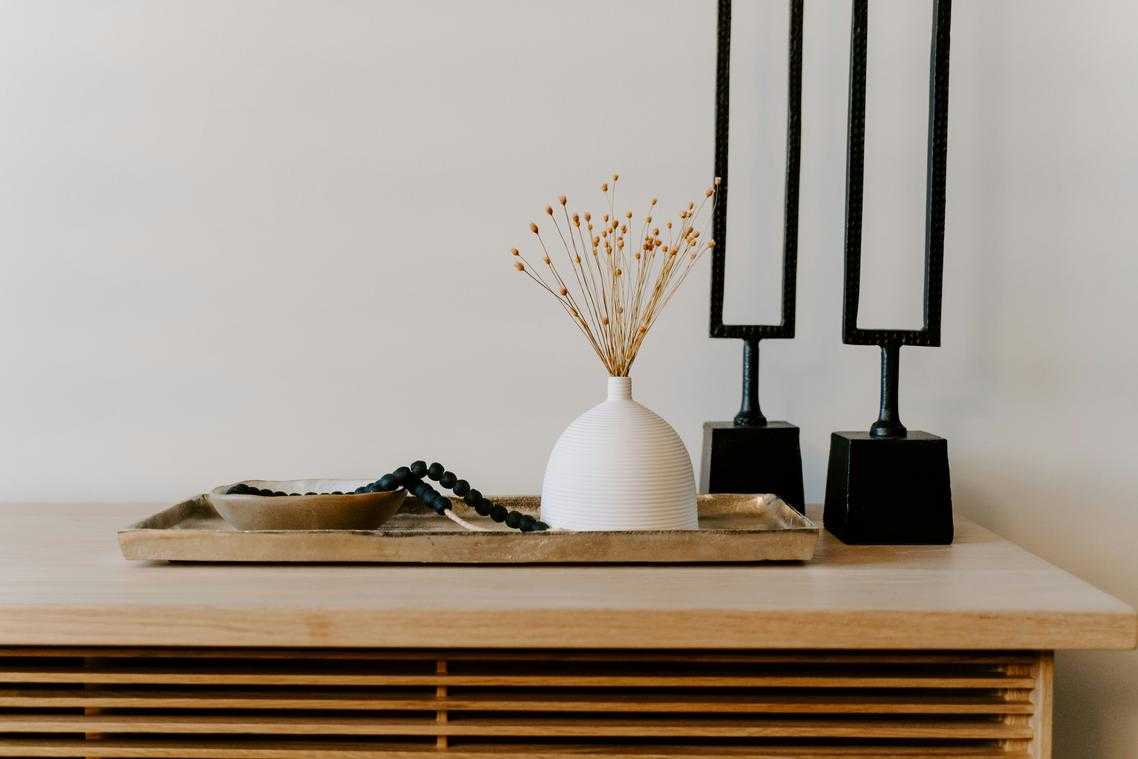
Group your decor in odd numbers. Three candles on a tray. Five books stacked on a coffee table. One vase flanked by two smaller objects.
Why? Our brains find odd groupings more interesting than even ones. (It’s weird but it works.)
Big Wins Over Small Clutter
Compare these two approaches.
Option A: Ten small picture frames scattered across your mantel. A bunch of tiny plants on your bookshelf. Little decorative boxes everywhere.
Option B: One oversized floor plant in the corner. A single statement lamp. Maybe a bold piece of art that commands attention.
Which room would you rather walk into?
The second one feels intentional. The first one feels like you couldn’t decide what to keep.
When you’re planning upgrades home decoradtech, think bigger. One powerful piece beats a dozen small ones every time.
Leave Space Empty
This is the hardest part for most people.
Not every shelf needs something on it. Your coffee table doesn’t need to be covered. That empty corner? Maybe it should stay empty. In exploring the delicate balance between minimalism and style, many gamers often wonder how to upgrade my home decoradtech to enhance their gaming spaces without overcrowding every surface or sacrificing the serene elegance of a well-placed empty corner.How to Upgrade My Home Decoradtech In the quest for a harmonious gaming environment, many enthusiasts find themselves pondering how to upgrade my home decoradtech in a way that complements their setup while embracing the principles of minimalism.How to Upgrade My Home Decoradtech
I call it breathing room. It’s what makes your chosen pieces stand out instead of disappearing into visual noise.
Try this decoradtech home hacks tip: Remove half the decor from one room. Live with it for a week. I bet you won’t miss most of it.
Your Home, Reimagined and Enhanced
I believe home decor is about making thoughtful choices that reflect who you are.
You don’t need to spend a fortune or settle for generic ideas that feel like everyone else’s space.
This guide showed you how to blend light and texture with smart technology. These aren’t complicated tricks. They’re practical ways to create a home that feels beautiful and works for your life.
The best part? You can start small.
Pick one tip from this guide. Add a smart bulb to your reading corner. Rearrange that bookshelf you’ve been meaning to fix. Layer a new texture on your couch.
Watch what happens when you make that single change.
Your space will start to feel different. More like you. More responsive to how you actually live.
That’s what decoradtech home hacks is all about. Small moves that create real impact.
Start today with one thing. Your home is waiting.
 Syrelia Vandell is the kind of writer who genuinely cannot publish something without checking it twice. Maybe three times. They came to smart living concepts through years of hands-on work rather than theory, which means the things they writes about — Smart Living Concepts, Practical Home Automation Tips, Expert Breakdowns, among other areas — are things they has actually tested, questioned, and revised opinions on more than once.
That shows in the work. Syrelia's pieces tend to go a level deeper than most. Not in a way that becomes unreadable, but in a way that makes you realize you'd been missing something important. They has a habit of finding the detail that everybody else glosses over and making it the center of the story — which sounds simple, but takes a rare combination of curiosity and patience to pull off consistently. The writing never feels rushed. It feels like someone who sat with the subject long enough to actually understand it.
Outside of specific topics, what Syrelia cares about most is whether the reader walks away with something useful. Not impressed. Not entertained. Useful. That's a harder bar to clear than it sounds, and they clears it more often than not — which is why readers tend to remember Syrelia's articles long after they've forgotten the headline.
Syrelia Vandell is the kind of writer who genuinely cannot publish something without checking it twice. Maybe three times. They came to smart living concepts through years of hands-on work rather than theory, which means the things they writes about — Smart Living Concepts, Practical Home Automation Tips, Expert Breakdowns, among other areas — are things they has actually tested, questioned, and revised opinions on more than once.
That shows in the work. Syrelia's pieces tend to go a level deeper than most. Not in a way that becomes unreadable, but in a way that makes you realize you'd been missing something important. They has a habit of finding the detail that everybody else glosses over and making it the center of the story — which sounds simple, but takes a rare combination of curiosity and patience to pull off consistently. The writing never feels rushed. It feels like someone who sat with the subject long enough to actually understand it.
Outside of specific topics, what Syrelia cares about most is whether the reader walks away with something useful. Not impressed. Not entertained. Useful. That's a harder bar to clear than it sounds, and they clears it more often than not — which is why readers tend to remember Syrelia's articles long after they've forgotten the headline.