

Ever tried to blend modern home automation with a classic design? It sounds like a dream, but for designers and architects, it’s a real challenge. How do you integrate solid tech without wrecking the aesthetic you’ve painstakingly crafted?
This isn’t just tech slapped on as an afterthought. It’s about weaving automation into the very fabric of home design. This article provides a professional discussion on home automation design.
I know the struggle firsthand because I’m passionate about creating spaces that harmonize tech and beauty.
Trust me, you’re not alone in this journey. I’ve talked to experts and done the research. You’re getting actionable takeaways here.
By the end, you’ll have a roadmap for making your homes smarter and more elegant.
Ready for a smart home designer interview?
The Evolution of Design: From Gadgets to Intelligent Environments
Let’s talk about a shift in design philosophy.
We’re moving from the basic “smart home” to a more intelligent environment. It’s not about slapping on more gadgets. It’s about creating a space where tech almost disappears.
Imagine a home where systems anticipate your needs. Sounds like science fiction? It’s not.
It’s the new design paradigm.
Invisibility. Intuition. Integration.
These are the three pillars. With invisibility, tech blends into your life, not just your walls. Intuitive systems aren’t just smart.
They’re practically psychic. They know when you want the lights dimmed or the temperature adjusted. Integration ties everything together, so your home runs like a well-oiled machine.
But what does this really mean for you? Daily life gets a serious upgrade. Take wellness, for instance.
Circadian rhythm lighting can help regulate your sleep patterns. Security? Think discreet monitoring that keeps you safe without feeling like you live in a tech prison.
And convenience? Imagine setting scenes for “entertaining” or “relaxing” with a simple voice command.
This isn’t just about utility. It’s a new medium for design and enhancing human experience. Tech as a canvas, not just a tool.
Curious about how these ideas tackle top challenges home automation? It’s a conversation worth having in any smart home designer interview.
The future of design is here. It’s inspiring, inviting, and ready to transform our spaces. Are you ready to embrace it?
The Art of Client Conversations: Unraveling Lifestyle Goals
Talking tech with clients can be a minefield. You say “router,” they hear “blah blah blah.” So, let’s change the game. Instead of drowning them in jargon, let’s dive into their world.
Ask them about their lives, their day-to-day, their dreams. It’s about lifestyle, not tech specs.
Picture this: you’re in a smart home designer interview, and someone asks, “Describe your ideal morning.” A question like that opens up a universe of possibilities (automated) shades, gentle lighting, your favorite playlist. You’re not just designing a home; you’re creating an experience.
Want more examples? How about asking, “How do you like to unwind in the evening?” Their answer might lead you to incorporate smart dimmers, ambient music, and even a voice-activated movie night setup. It’s about putting the client in the scene, making it personal (and a bit luxurious).
Creating “moods” or “scenes” keeps things exciting. Instead of a shopping list of gadgets, you’re crafting a story. It’s like producing a movie where your client is the star.
This approach aligns with high-end design principles, where tech seamlessly blends with life.
Managing Expectations: The DIY vs. Pro Debate
Now, let’s talk expectations. Clients often think DIY is cheaper, but they miss out on the finesse of a professionally installed system. It’s like comparing a homemade pizza to a gourmet pie from a top chef.
Sure, both are pizza, but one’s a whole other level of experience.
To really nail these conversations, check out 6 smart home expert interview questions. They’ll sharpen your skills and help you decode what clients truly want. Remember, this isn’t just about gadgets; it’s about translating dreams into reality.
And that’s where the magic happens.
Design Meets Function: Crafting Invisible Tech
Ever felt like your home tech sticks out like a sore thumb? smart design swoops in to save the day. Let’s face it, no one wants clunky gadgets ruining their space. I mean, who actually looks at their light switches and thinks they’re chic?
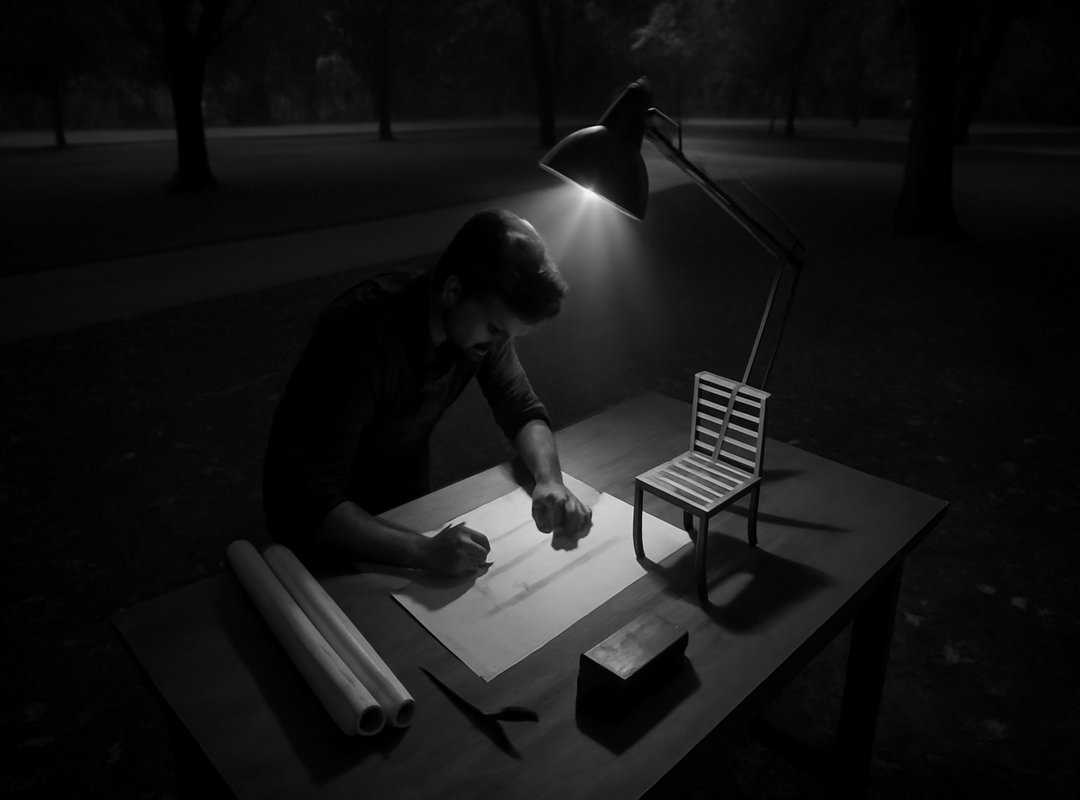
In a smart home designer interview, I heard the phrase “make technology disappear” and it stuck with me.
First, let’s chat about lighting. Smart controls paired with high-end fixtures can transform a room. Picture this: architectural lighting that highlights your space without becoming the focal point.
Cove lighting adds depth and drama. And those designer-friendly keypads? They blend seamlessly with wall finishes, keeping everything cohesive.
No ugly wall clutter here.
Now, onto audio/visual. Hidden speakers are a no-brainer. In-wall or in-ceiling options keep your sound system subtle but solid.
Forget giant black boxes. Consider ‘invisible’ speakers or concealing your TV with automated lifts, art frames, or even smart mirrors. It’s like magic, but real.
And don’t get me started on sensors and wires. Pre-wiring during construction can save you a world of pain later. Those motion and environmental sensors can be discreetly placed so they don’t mess with your clean lines.
Technology doesn’t have to mean tangled cables and ruined aesthetics.
Control interfaces are the secret weapon. Dedicated touch panels and minimalist keypads look sleek. Voice control?
Reduces wall clutter entirely. It’s like giving your house a voice.
Want more takeaways? You might find Ai Home Design Expert Opinions fascinating.
Remember, the goal is to make tech blend into the background, adding function without losing form. What’s the point of a smart home if it’s not smartly designed? Tech should serve you, not the other way around.
Future-Proofing the Foundation: Designing for What’s Next
When it comes to smart homes, devices might get all the spotlight, but the real star is the infrastructure. Without a solid backbone, your gadgets are just fancy paperweights. I mean, ever tried streaming 4K on a patchy Wi-Fi network?
You want a smart home that lasts? Focus on strong networking. This means investing in enterprise-grade setups like Cat6a/7 cabling or fiber to key locations.
Exactly.
It’s not just about today; it’s about what comes next. Why stress over costly renovations when you can just plug in the new tech?
Think of it as laying the groundwork for future upgrades. In a smart home designer interview I read, they emphasized how structured wiring is a long-term investment. It’s like adding value and adaptability to your home.
Why settle for less when you can have a setup that evolves with you? It’s the difference between a house and a future-ready home.
Crafting Spaces That Speak
Home automation has shifted from a tech puzzle to a canvas for creativity. I know you’re tired of choosing between gadgets and beauty. The solution?
A design-first, lifestyle-focused approach. It’s not just about making smart spaces; it’s about designing them to be intuitive and beautiful.
Think about it: a home that adapts to your needs, not the other way around. That’s the future we’re looking at. These principles let you craft spaces that are not just smart but future-ready.
So, what’s next? Take these ideas into your next client meeting. Start the conversation about designing a better life.
Not about devices, but about life. If you’re curious about how others are doing it, check out a smart home designer interview for some real-world examples.
 Dustin Brusticker writes the kind of smart living concepts content that people actually send to each other. Not because it's flashy or controversial, but because it's the sort of thing where you read it and immediately think of three people who need to see it. Dustin has a talent for identifying the questions that a lot of people have but haven't quite figured out how to articulate yet — and then answering them properly.
They covers a lot of ground: Smart Living Concepts, Tech-Enhanced Design Elements, Expert Breakdowns, and plenty of adjacent territory that doesn't always get treated with the same seriousness. The consistency across all of it is a certain kind of respect for the reader. Dustin doesn't assume people are stupid, and they doesn't assume they know everything either. They writes for someone who is genuinely trying to figure something out — because that's usually who's actually reading. That assumption shapes everything from how they structures an explanation to how much background they includes before getting to the point.
Beyond the practical stuff, there's something in Dustin's writing that reflects a real investment in the subject — not performed enthusiasm, but the kind of sustained interest that produces insight over time. They has been paying attention to smart living concepts long enough that they notices things a more casual observer would miss. That depth shows up in the work in ways that are hard to fake.
Dustin Brusticker writes the kind of smart living concepts content that people actually send to each other. Not because it's flashy or controversial, but because it's the sort of thing where you read it and immediately think of three people who need to see it. Dustin has a talent for identifying the questions that a lot of people have but haven't quite figured out how to articulate yet — and then answering them properly.
They covers a lot of ground: Smart Living Concepts, Tech-Enhanced Design Elements, Expert Breakdowns, and plenty of adjacent territory that doesn't always get treated with the same seriousness. The consistency across all of it is a certain kind of respect for the reader. Dustin doesn't assume people are stupid, and they doesn't assume they know everything either. They writes for someone who is genuinely trying to figure something out — because that's usually who's actually reading. That assumption shapes everything from how they structures an explanation to how much background they includes before getting to the point.
Beyond the practical stuff, there's something in Dustin's writing that reflects a real investment in the subject — not performed enthusiasm, but the kind of sustained interest that produces insight over time. They has been paying attention to smart living concepts long enough that they notices things a more casual observer would miss. That depth shows up in the work in ways that are hard to fake.