
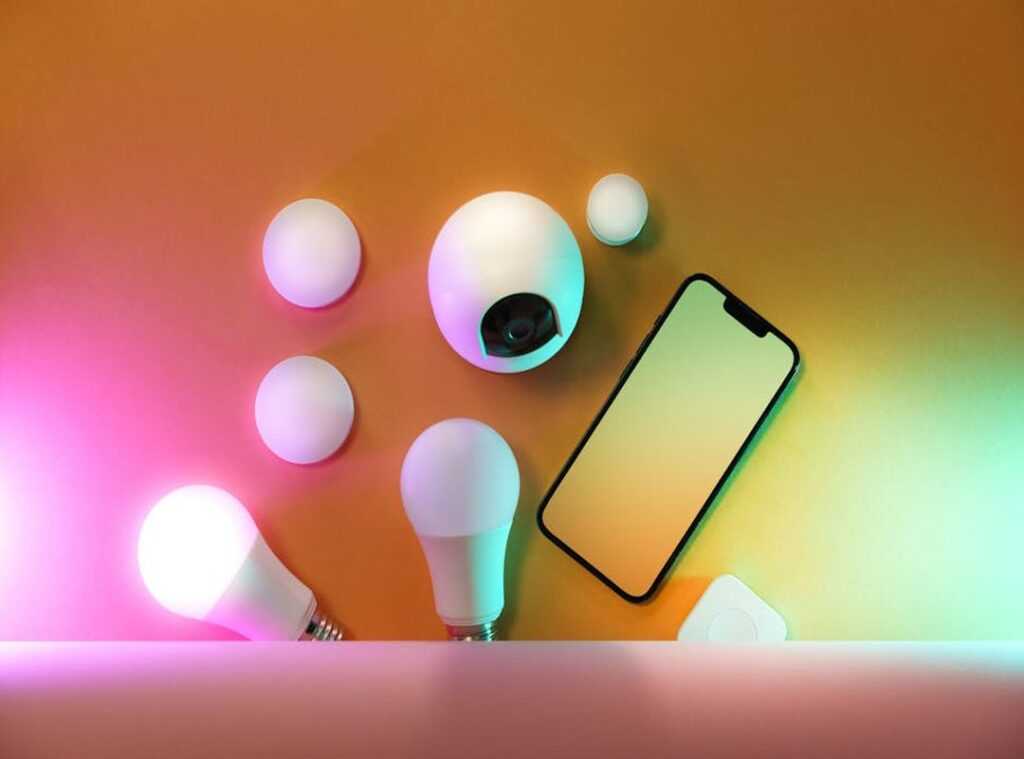
Imagine a home that’s not just smart but also an extension of your style. It’s the dream, right? Most smart home guides get bogged down in tech jargon or forget about beauty.
You end up with a space that feels more like a lab than a living room. I get it. Technology doesn’t have to mean ugly gadgets cluttering your home.
This guide offers a different path. We’ll explore how to create a smart home that seamlessly blends innovation with your personal decor. It’s about enhancing your life without sacrificing aesthetics.
I’ve spent years at the intersection of design trends and smart tech, so trust me, I’ve seen what works.
By the end, you’ll have a home automation guide tailored for beginners who crave both style and function. Let’s get started.
Step 1: Dream It, Design It (Planning) Your Smart Home Vision
Every great smart home starts with a plan, not a purchase. I mean, do you really want to end up with a pile of gadgets that don’t talk to each other? Let’s get real: think about your daily routines and those annoying pain points.
What parts of your day could be easier? How can your home’s ambiance improve your mood? These are the questions to ask.
Now, let’s get down to business. Create your Smart Home Blueprint. This isn’t just a fancy term.
It’s a practical list of what you want each room to achieve. Picture this: “Living Room: Automated mood lighting for movies.” Or maybe, “Bedroom: Gentle wake-up light and automated blinds.” You get the idea.
The goal here is to solve problems, not just add shiny toys. It’s about automating convenience and designing ambiance. Make your space work for you.
But don’t bite off more than you can chew. Start small. Focus on one or two rooms or a single function like lighting.
Trust me, you don’t want to overwhelm yourself.
And while you’re dreaming and designing, don’t forget about security. Seriously, protecting your network is key. If you’re curious about how secure smart home network, check out the link.
It’s important to keep everything safe while you dive into this home automation guide.
In the end, it’s about creating a home that feels like you. A place where technology enhances your life, not complicates it. So, are you ready to start designing?
Step 2: Picking Your Hub – The Soul of Your Smart Home
Think of the smart home hub as the friendly conductor of your tech orchestra. It’s the one calling the shots, making sure your devices work in harmony. You might have heard of the big three: Amazon Alexa, Google Assistant, and Apple HomeKit.
Each one has its own charm and quirks, just like picking a favorite band (Beatles or Stones?).
Now, If you’re glued to your iPhone, Apple HomeKit is a no-brainer. It’s designed to mesh seamlessly with your existing Apple gear, like a well-choreographed dance. But if you’re more of a Google person and your life syncs up with Android, then Google Assistant is your best bet.
It’s like having a personal assistant who also knows your favorite YouTube videos.
Alexa, on the other hand, is the jack-of-all-trades. With its vast compatibility, it can control everything from light bulbs to your latest Amazon order. It’s perfect if you want a wide-reaching system.
Just imagine asking Alexa to play your favorite Spotify playlist while dimming the lights and adjusting the thermostat. Sounds like magic, right?
But what’s the catch? In truth, there isn’t one. Most devices now play nice with multiple ecosystems.
So, there’s really no wrong choice. It’s all about what fits your lifestyle best. That’s the beauty of this home automation guide (you’re) in charge.
Choosing based on aesthetics might seem trivial, but it’s not. Google’s Nest Hub can blend into any modern home, while Echo Show offers a more industrial look. It really depends on your taste.
And let’s not forget the user-friendliness factor. Google’s interface is intuitive, Apple’s is sleek, and Alexa’s setup is straightforward.
So, does one stand out? Maybe. But it’s your call.
Remember, your smart home is about making life easier and maybe even a bit more fun. Embrace the tech that speaks to you.
Step 3: Curating Your Devices – Where Tech Meets Tasteful Design
In this part of the home automation guide, we’re diving into the art of selecting devices that are both functional and beautiful. Let’s face it, nobody wants a clunky gadget ruining their decor.

Take smart lighting, for instance. It’s not just about color-changing bulbs anymore. Think elegant smart switches like Lutron Caseta, which add a touch of class to any room.
Minimalist light strips can be perfect for accent lighting. They’re sleek and almost invisible until you need them. And if you’re into brand names that prioritize design, you’ll find plenty out there.
When it comes to climate control, the Google Nest Thermostat is a game-changer. It doesn’t just regulate temperature; it looks like a piece of art on your wall. Imagine a thermostat that blends seamlessly into your decor.
Now that’s what I call stylish functionality.
Smart plugs and power strips can be eyesores, right? Not anymore. Some are so discreet they practically vanish into the wall.
Others are designed to be seen and admired. It’s about finding ones that fit your aesthetic without shouting their presence.
Security devices are no different. Smart locks that look sleek, minimalist sensors, and doorbell cameras in various colors can complement your door hardware. These are not just tech gadgets; they’re part of your home’s personality.
Pro tip: Think of these devices as functional decor. They should boost your space, not detract from it.
And if you’re considering setting up automated lighting, check out this branded guide on how to do it efficiently. Because efficiency shouldn’t come at the cost of style.
Remember, every device you choose is a piece of the puzzle. It’s about creating a home that reflects your taste while embracing technology.
Step 4: The Simple Setup – Bringing Your Smart Home to Life
So you’ve got your shiny new gadgets. Now what? Let’s make this easy.
First, you unbox and plug in your main hub or speaker. Simple, right? It’s like setting up a toaster, only less crumby.
Next, grab your phone and download the app. Whether it’s Alexa or Google Home. They’re your new best friends (at least when it comes to home automation).
Open the app and follow the on-screen instructions to connect to Wi-Fi. Trust me, they make it foolproof. Adding a new device?
Let’s use a smart bulb as our trusty example. Screw it in, open the app, tap, and watch it come to life.
Now for the fun part. Routines! Want a “Good Morning” routine where the lights slowly turn on and your coffee brews like magic?
Or maybe a “Movie Night” scene with dim lights and the TV ready to go? You’re basically a tech wizard.
These routines make your home feel like it’s straight out of a sci-fi flick. If the app could pour you a drink, it would. Remember, this is your home automation guide, not just some boring manual.
Dive in and start living smarter.
Your Smart Home Journey Begins
You’ve tackled the fear of a complex setup with our home automation guide. Now, you’re ready to design a smart home that’s intelligent and stylish. Prioritize your vision.
Pick elements that serve you and your style. It’s simpler than it seems. Ready to dive in?
Start with a single smart bulb or plug. Watch the magic unfold. It’s time to transform your space.
This is the moment. Don’t wait. Make your smarter, beautiful life a reality.
 Syrelia Vandell is the kind of writer who genuinely cannot publish something without checking it twice. Maybe three times. They came to smart living concepts through years of hands-on work rather than theory, which means the things they writes about — Smart Living Concepts, Practical Home Automation Tips, Expert Breakdowns, among other areas — are things they has actually tested, questioned, and revised opinions on more than once.
That shows in the work. Syrelia's pieces tend to go a level deeper than most. Not in a way that becomes unreadable, but in a way that makes you realize you'd been missing something important. They has a habit of finding the detail that everybody else glosses over and making it the center of the story — which sounds simple, but takes a rare combination of curiosity and patience to pull off consistently. The writing never feels rushed. It feels like someone who sat with the subject long enough to actually understand it.
Outside of specific topics, what Syrelia cares about most is whether the reader walks away with something useful. Not impressed. Not entertained. Useful. That's a harder bar to clear than it sounds, and they clears it more often than not — which is why readers tend to remember Syrelia's articles long after they've forgotten the headline.
Syrelia Vandell is the kind of writer who genuinely cannot publish something without checking it twice. Maybe three times. They came to smart living concepts through years of hands-on work rather than theory, which means the things they writes about — Smart Living Concepts, Practical Home Automation Tips, Expert Breakdowns, among other areas — are things they has actually tested, questioned, and revised opinions on more than once.
That shows in the work. Syrelia's pieces tend to go a level deeper than most. Not in a way that becomes unreadable, but in a way that makes you realize you'd been missing something important. They has a habit of finding the detail that everybody else glosses over and making it the center of the story — which sounds simple, but takes a rare combination of curiosity and patience to pull off consistently. The writing never feels rushed. It feels like someone who sat with the subject long enough to actually understand it.
Outside of specific topics, what Syrelia cares about most is whether the reader walks away with something useful. Not impressed. Not entertained. Useful. That's a harder bar to clear than it sounds, and they clears it more often than not — which is why readers tend to remember Syrelia's articles long after they've forgotten the headline.