

Smart homes are no longer a futuristic concept—they’re part of everyday life. From voice assistants and connected security systems to intelligent lighting and automated appliances, homeowners are embracing convenience at an unprecedented rate. But with this rapid adoption comes a critical question: how secure is your data? If you’re searching for clear answers about smart home data privacy, you’re not alone. Many homeowners want the benefits of automation without exposing personal information to unnecessary risk.
This article breaks down what data your devices actually collect, where that information goes, and how you can take practical steps to protect your household. We draw on industry research, cybersecurity best practices, and real-world smart home case studies to ensure the insights are accurate and actionable. By the end, you’ll understand how to enjoy a connected home while maintaining control over your privacy and digital security.
Is Your Smart Home Listening? The Real Cost of Convenience
Last year, I mentioned needing a coffee maker, and hours later ads followed me everywhere. Coincidence? Hardly. That moment pushed me to examine smart home data privacy. Smart speakers, thermostats, doorbells log voice snippets, location patterns, and routines. Companies say it improves service—and to be fair, voice commands are convenient. However, that convenience runs on constant collection. So where does it go? Often to cloud servers, sometimes to third-party partners
To regain control, review app permissions, enable two-factor authentication, mute microphones when idle, and segment devices on a guest network.
The Unseen Data Footprint of Your Smart Devices
Back in 2019, many homeowners treated smart speakers as futuristic novelties. Fast forward to 2026, and they’ve become quiet archivists of daily life. Audio and voice commands don’t just trigger playlists or weather updates—they’re often stored in cloud servers, sometimes including accidental “wake word” activations. Reviewing and deleting these recordings takes minutes in your device’s app, yet most users haven’t checked since initial setup (and yes, that backlog can stretch back years).
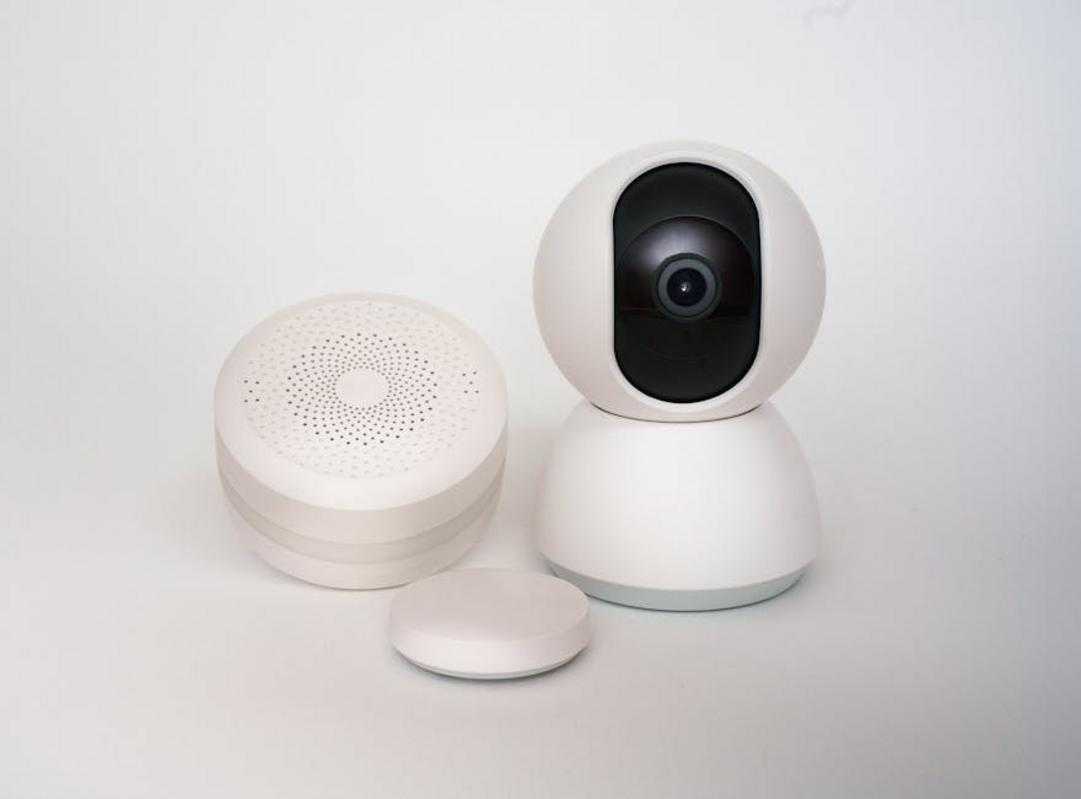
Video devices add another layer. Doorbells, indoor cameras, and smart displays capture routine moments—school drop-offs, package deliveries, late-night snack runs. Depending on your subscription plan, footage may be stored locally or in the cloud for 30 to 180 days. Critics argue this storage improves security and provides crucial evidence when needed. That’s true. But it also means intimate household patterns exist on external servers.
Then there’s behavioral data. Over a few months, thermostats and lighting systems learn when you wake, leave, and sleep. This pattern recognition—data models that predict habits—optimizes energy use but also maps your presence with surprising precision.
Finally, network logs quietly compile technical fingerprints:
- IP addresses
- Wi‑Fi identifiers
- Device interaction frequency
- Firmware update history
All of this forms the backbone of smart home data privacy discussions today. Convenience is undeniable. But awareness—knowing what’s collected, where it’s stored, and for how long—remains your strongest safeguard.
From Your Living Room to the Cloud: The Data Supply Chain
The First Stop – Manufacturer Servers
When you ask your smart speaker about the weather, that request travels to company servers like Amazon, Google, or Apple. This is where data is processed and stored—and where risk begins. Critics argue these companies invest billions in security (true), yet breaches still happen. For example, misconfigured cloud databases exposed millions of records in multiple incidents reported by IBM’s Cost of a Data Breach Report (2023).
Practical tip: Open your device app, navigate to data or privacy settings, and disable voice recording storage if you don’t need history logs. Also, enable two-factor authentication.
The Second Stop – Third-Party Partners
Next, data may be shared with advertisers or analytics providers. Privacy policies often reveal this in phrases like “trusted partners” or “service providers.” In other words, your smart fridge might know more about your snack habits than your best friend.
Step-by-step: Search the policy for “share,” “third parties,” and “retention.” If unclear, reconsider the device.
The Hidden Risks
Data breaches, insider access, and government requests can expose households. While some say “I have nothing to hide,” aggregated lifestyle data can still be exploited.
The Myth of “Anonymized” Data
Even anonymized datasets can be re-identified when combined (Narayanan & Shmatikov, 2008). That’s why smart home data privacy matters.
For foundational safeguards, review understanding the core components of a modern smart home ecosystem.
Your Action Plan for a More Secure Smart Home
Smart devices promise convenience. But convenience without boundaries? That’s just surveillance with better branding. The good news is you can take control—step by step.
Step 1: Conduct a Privacy Audit
First, open the privacy dashboards for Amazon Alexa, Google Assistant, and Apple HomeKit. A privacy dashboard is a centralized control panel where you can see and manage what data a company stores about you. Review voice recordings, activity logs, and connected apps. Delete anything you don’t recognize. Set a reminder to repeat this every three months (future you will forget).
Some argue audits are overkill because “big tech already has everything.” That’s not entirely true. These dashboards exist because of regulations like GDPR and CCPA (European Commission; State of California). Use them.
Step 2: Master Your Device Settings
Next, turn off active listening when you’re not using it. Disable ad personalization. Enable auto-delete for voice and activity history—most platforms allow deletion every 3 or 18 months. This reduces your long-term digital footprint.
Pro tip: Rename devices without using personal identifiers like your last name or address.
Step 3: Fortify Your Home Network
Now, create a separate guest Wi-Fi network exclusively for smart devices. Think of it as a digital quarantine zone. If one device is compromised, your laptop and phone stay protected. The FBI has previously advised segmenting IoT devices for this reason (FBI Public Service Announcement I-091519-PSA).
Step 4: Choose Your Tech Wisely
Finally, prioritize devices that support local data processing—meaning data stays on the device instead of being sent to the cloud. Read privacy policies. Look for transparency about data retention.
Taking these steps strengthens your smart home data privacy and puts you back in control.
Beyond Hacking: The Subtle Threats to Your Privacy
Most people picture hooded hackers. The reality is quieter. Digital profiling—the practice of aggregating your clicks, purchases, and device data—lets companies predict your income, habits, even health (yes, your late-night snack runs say a lot). That data fuels targeted ads or gets sold to brokers.
Consider inference: thermostat logs can signal vacations; lighting patterns reveal sleep cycles. Convenient? Absolutely. But awareness gives you control.
Understand smart home data privacy now, and you gain leverage—better settings, stronger passwords, smarter buying decisions.
- Pro tip: regularly audit app permissions and disable unnecessary data sharing.
Smart Living, Smarter Choices
To sum up, convenience and privacy don’t have to compete. A connected home can simplify your routines (morning lights on, coffee brewing) without turning into a surveillance hub. That said, I’ll admit the rules around smart home data privacy are still evolving, and not every risk is fully understood.
Even so, you can take control:
- Run regular privacy audits on devices and apps
- Strengthen your Wi‑Fi with strong passwords and encryption
- Research data policies before buying new tech
In the end, “smart” should mean informed. With thoughtful choices, your home becomes efficient, secure, and truly yours.
Design Smarter, Live Smarter
You started looking for ways to make your home more intelligent, efficient, and future-ready—and now you have a clearer path forward. From automation basics to integrated ecosystems, you understand how thoughtful upgrades can simplify routines, reduce energy waste, and elevate everyday comfort.
But the real challenge isn’t just adding devices. It’s choosing solutions that work together seamlessly while protecting smart home data privacy and keeping your system reliable long-term. When technology feels complicated or intrusive, it defeats the purpose of a smarter home.
The key is taking intentional action. Audit your current setup, identify one or two high-impact upgrades, and prioritize secure, compatible devices that align with your lifestyle. Small, strategic improvements create lasting results.
If you’re ready to eliminate guesswork and build a smarter home that’s efficient, secure, and built to last, explore our expert-backed smart living insights today. Join thousands of homeowners upgrading with confidence—start transforming your space now.
 Dustin Brusticker writes the kind of smart living concepts content that people actually send to each other. Not because it's flashy or controversial, but because it's the sort of thing where you read it and immediately think of three people who need to see it. Dustin has a talent for identifying the questions that a lot of people have but haven't quite figured out how to articulate yet — and then answering them properly.
They covers a lot of ground: Smart Living Concepts, Tech-Enhanced Design Elements, Expert Breakdowns, and plenty of adjacent territory that doesn't always get treated with the same seriousness. The consistency across all of it is a certain kind of respect for the reader. Dustin doesn't assume people are stupid, and they doesn't assume they know everything either. They writes for someone who is genuinely trying to figure something out — because that's usually who's actually reading. That assumption shapes everything from how they structures an explanation to how much background they includes before getting to the point.
Beyond the practical stuff, there's something in Dustin's writing that reflects a real investment in the subject — not performed enthusiasm, but the kind of sustained interest that produces insight over time. They has been paying attention to smart living concepts long enough that they notices things a more casual observer would miss. That depth shows up in the work in ways that are hard to fake.
Dustin Brusticker writes the kind of smart living concepts content that people actually send to each other. Not because it's flashy or controversial, but because it's the sort of thing where you read it and immediately think of three people who need to see it. Dustin has a talent for identifying the questions that a lot of people have but haven't quite figured out how to articulate yet — and then answering them properly.
They covers a lot of ground: Smart Living Concepts, Tech-Enhanced Design Elements, Expert Breakdowns, and plenty of adjacent territory that doesn't always get treated with the same seriousness. The consistency across all of it is a certain kind of respect for the reader. Dustin doesn't assume people are stupid, and they doesn't assume they know everything either. They writes for someone who is genuinely trying to figure something out — because that's usually who's actually reading. That assumption shapes everything from how they structures an explanation to how much background they includes before getting to the point.
Beyond the practical stuff, there's something in Dustin's writing that reflects a real investment in the subject — not performed enthusiasm, but the kind of sustained interest that produces insight over time. They has been paying attention to smart living concepts long enough that they notices things a more casual observer would miss. That depth shows up in the work in ways that are hard to fake.