
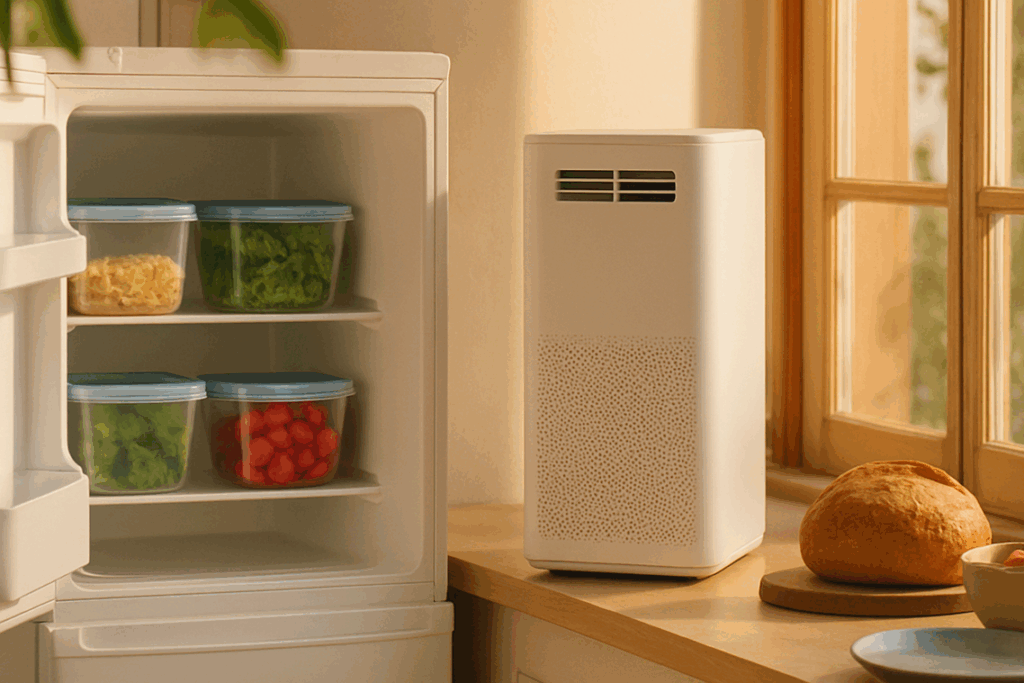
The modern kitchen is evolving faster than ever, blending cutting-edge technology with thoughtful design to make everyday living more efficient and enjoyable. If you’re searching for ways to upgrade your space with smart kitchen appliances, you’re likely looking for solutions that save time, reduce energy use, and seamlessly fit into your lifestyle. This article delivers exactly that—clear insights into the latest innovations, practical automation tips, and design-forward ideas that truly enhance how your kitchen functions.
We’ve analyzed emerging home tech trends, evaluated real-world performance features, and reviewed expert-backed data on energy efficiency and connectivity standards. The result is a practical, trustworthy guide that cuts through marketing hype and focuses on what actually works in today’s homes.
Whether you’re planning a full renovation or simply adding one intelligent device at a time, you’ll discover how to choose, integrate, and maximize technology that makes your kitchen smarter, more intuitive, and future-ready.
Your Kitchen, Reimagined: The New Era of Smart Cooking
Meal prep often feels like guesswork—timers buzzing, pans burning, recipes open on three tabs. Fortunately, smart kitchen appliances now handle much of that mental load. For example, smart ovens use internal sensors (tiny heat and moisture detectors) to adjust temperature automatically, reducing overcooking; GE reports some models cut cooking errors significantly. Meanwhile, Wi-Fi refrigerators track inventory and suggest recipes based on what’s inside, helping reduce food waste—an issue the USDA estimates at 30–40% of supply.
You might worry the tech is complicated, but most systems sync through apps easily today now.
Precision and Automation: The Intelligence of Modern Ovens and Cooktops
AI-Powered Cooking
First, let’s talk about ovens that actually “see” your food. Built-in cameras paired with artificial intelligence (AI)—software that learns patterns to make decisions—can recognize whether you’ve placed cookies, salmon, or a casserole inside. From there, the oven suggests the ideal cooking mode and monitors progress to prevent burning. Brands like Samsung and GE have introduced models with food recognition technology (Samsung, 2023). Some argue this removes the joy of hands-on cooking. Fair point. But if you’ve ever overbaked brownies while answering emails, automation feels less like cheating and more like backup.
Recommendation: Choose models with real-time notifications and adjustable doneness settings so you stay in control.
Multi-Functional Mastery
Meanwhile, combination appliances are replacing countertop clutter. Steam-convection ovens blend dry heat with moisture for crisp exteriors and tender interiors. Air-fry ranges replicate that crunchy finish with little oil. In other words, one appliance can replace three (goodbye, bulky air fryer).
Recommendation: If space is limited, prioritize a steam-convection combo—it offers the broadest cooking flexibility.
Connected Control
Equally important, Wi-Fi connectivity lets you preheat from your phone, receive alerts, and follow guided recipes directly on the screen. While some worry about overcomplicating dinner, integrated programs can improve consistency.
Induction Innovation
Finally, induction cooktops use electromagnetic energy to heat cookware directly, not the surface. This means faster boiling, precise temperature control, and automatic pan detection for safety (U.S. Department of Energy).
Recommendation: For efficiency and safety, induction is the smartest upgrade in modern smart kitchen appliances.
Beyond Cooling: How Smart Refrigerators Organize Your Life
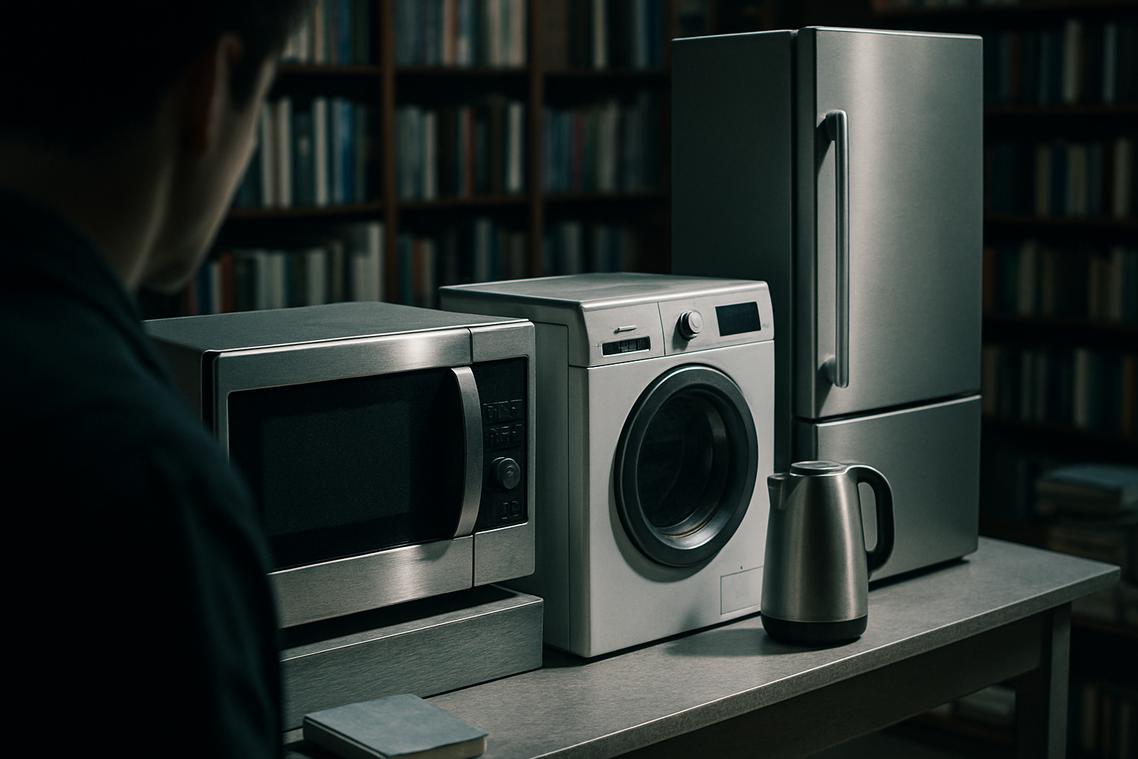
I used to think a refrigerator had one job: keep food cold. That’s it. But after living with one of the new-generation models, I can confidently say that’s outdated thinking.
Automated Inventory Management
Today’s units use internal cameras and AI object recognition—software that identifies items visually—to track what’s inside. They generate shopping lists and even suggest recipes based on available ingredients. According to Statista, over 69 million U.S. households are expected to use smart home devices by 2027, and inventory-aware appliances are part of that rise. Some argue this is overkill (do we really need a fridge telling us we’re out of milk?). I used to agree. But when you stop buying duplicate groceries and cut food waste, it feels less like a gimmick and more like COMMON SENSE.
The Hub of the Home
Models with built-in touchscreens double as family calendars, digital note boards, and streaming hubs. Think of it as a command center disguised as stainless steel. In my view, this is where smart kitchen appliances truly shine—they blend into daily life instead of demanding extra attention.
Enhanced Food Preservation
Flexible temperature zones (custom cooling compartments), vacuum-sealing drawers, and advanced air filtration systems extend freshness. The USDA estimates food waste costs the average family over $1,500 annually. If a fridge can reduce that, I’m ALL IN.
Efficiency and Integration
Energy-efficient compressors and smart home integration allow voice commands and automation routines. And as homes evolve toward interconnected systems like the future of smart neighborhoods and connected communities, I believe the refrigerator isn’t just keeping up—it’s leading.
The Supporting Cast: Smart Gadgets That Perfect Meal Prep
Behind every great home-cooked meal is a lineup of smart kitchen appliances that quietly handle the precision. Connected blenders and food processors now come with pre-programmed settings for smoothies, soups, and doughs, taking the guesswork out of texture and timing. Through companion apps, users can browse vast recipe libraries and tweak speed or consistency remotely (because nobody likes scraping lumpy batter).
Meanwhile, intelligent coffee makers are learning routines, adjusting brew strength automatically, and syncing with Alexa or Google Assistant for voice-activated mornings. Schedule a pot from bed, and it greets you like a loyal sidekick. Some skeptics argue that push-button brewing dilutes the ritual. Yet convenience and consistency often win, especially on rushed weekdays.
In addition, precision sous vide devices and multi-cookers deliver restaurant-level control through app-guided steps. By maintaining exact temperatures, they ensure repeatable results for complex dishes like short ribs or custards. Critics say this removes intuition, but data-driven cooking can build confidence before creativity takes over.
Finally, smart kitchen scales adjust ingredient quantities automatically when servings change, guiding bakers step by step. Looking ahead, it’s reasonable to speculate that future systems will sync with grocery inventories and nutrition trackers, suggesting meals based on health goals. If that happens, meal prep may feel less like a chore and more like having a culinary co-pilot.
Pro tip: start with one connected device and master it fully, rather than overloading your counter with gadgets you rarely use. Small changes add up.
Creating a Cohesive and Efficient Culinary Ecosystem
As we’ve seen, advanced appliances are no longer just tools; they’re teammates that pull their weight (unlike that one drawer that only stores mystery lids). By automating tedious prep and removing guesswork, this tech tackles the real villain of weeknights: time‑sucking, stress‑inducing meal prep.
Some argue that adding more tech makes the kitchen complicated. Fair. No one wants to consult a manual just to boil pasta. But when devices live inside compatible ecosystem—think a single app controlling your oven, fridge, and dishwasher—the experience becomes seamless, not stressful. Integration (devices communicating and sharing data) is what turns gadgets into smart kitchen appliances that cooperate instead of compete.
Pro tip: start with your biggest frustration. Grocery chaos? Cooking inconsistency? Cleanup overload? Solve that first, then expand intentionally.
Explore how connected design simplifies life at this guide. Because dinner should be delicious—not a boss battle.
Bring Smarter Living Into Your Kitchen Today
You started this guide looking for practical ways to upgrade your kitchen with technology that actually makes life easier. Now you have a clear understanding of how smart kitchen appliances streamline cooking, reduce energy waste, and simplify your daily routines.
The real frustration isn’t just outdated equipment — it’s wasting time on repetitive tasks, dealing with inefficient appliances, and missing out on tools that could make your home work for you. A smarter kitchen isn’t about luxury. It’s about convenience, control, and confidence in your space.
The next step is simple: start with one upgrade that solves your biggest pain point — whether that’s a smart oven that cooks with precision or a connected refrigerator that keeps you organized. Choose solutions that are proven, highly rated, and designed to integrate seamlessly into modern homes.
If you’re ready to transform your kitchen into an efficient, tech-enhanced space, explore top-rated smart solutions today and take the first step toward a home that truly works smarter for you.
 Dustin Brusticker writes the kind of smart living concepts content that people actually send to each other. Not because it's flashy or controversial, but because it's the sort of thing where you read it and immediately think of three people who need to see it. Dustin has a talent for identifying the questions that a lot of people have but haven't quite figured out how to articulate yet — and then answering them properly.
They covers a lot of ground: Smart Living Concepts, Tech-Enhanced Design Elements, Expert Breakdowns, and plenty of adjacent territory that doesn't always get treated with the same seriousness. The consistency across all of it is a certain kind of respect for the reader. Dustin doesn't assume people are stupid, and they doesn't assume they know everything either. They writes for someone who is genuinely trying to figure something out — because that's usually who's actually reading. That assumption shapes everything from how they structures an explanation to how much background they includes before getting to the point.
Beyond the practical stuff, there's something in Dustin's writing that reflects a real investment in the subject — not performed enthusiasm, but the kind of sustained interest that produces insight over time. They has been paying attention to smart living concepts long enough that they notices things a more casual observer would miss. That depth shows up in the work in ways that are hard to fake.
Dustin Brusticker writes the kind of smart living concepts content that people actually send to each other. Not because it's flashy or controversial, but because it's the sort of thing where you read it and immediately think of three people who need to see it. Dustin has a talent for identifying the questions that a lot of people have but haven't quite figured out how to articulate yet — and then answering them properly.
They covers a lot of ground: Smart Living Concepts, Tech-Enhanced Design Elements, Expert Breakdowns, and plenty of adjacent territory that doesn't always get treated with the same seriousness. The consistency across all of it is a certain kind of respect for the reader. Dustin doesn't assume people are stupid, and they doesn't assume they know everything either. They writes for someone who is genuinely trying to figure something out — because that's usually who's actually reading. That assumption shapes everything from how they structures an explanation to how much background they includes before getting to the point.
Beyond the practical stuff, there's something in Dustin's writing that reflects a real investment in the subject — not performed enthusiasm, but the kind of sustained interest that produces insight over time. They has been paying attention to smart living concepts long enough that they notices things a more casual observer would miss. That depth shows up in the work in ways that are hard to fake.