
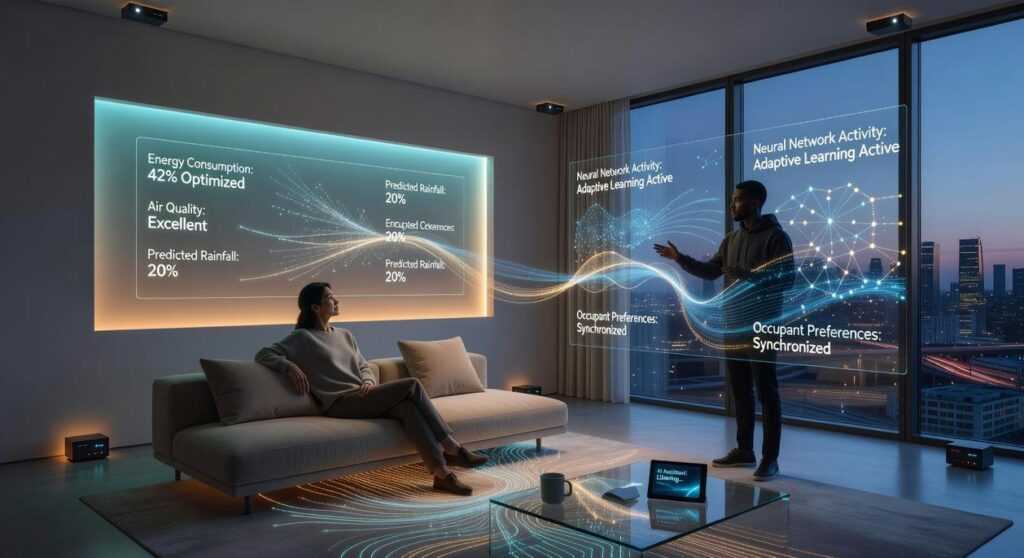
Smart homes are no longer a futuristic concept—they’re becoming the standard for modern living. If you’re exploring ai home assistants integration, you’re likely looking for practical ways to make your space more efficient, connected, and responsive to your daily needs. From voice-controlled lighting and climate automation to intelligent security systems and synchronized appliances, today’s technology promises convenience—but only if it’s implemented correctly.
This article breaks down how ai-powered assistants seamlessly connect with your home ecosystem, what features truly matter, and how to avoid common setup mistakes. We focus on real-world functionality, not hype, so you can confidently choose solutions that enhance comfort, security, and energy efficiency.
Our insights are grounded in extensive research into emerging home technologies, hands-on testing of smart devices, and analysis of current design and automation trends. Whether you’re upgrading a single room or building a fully connected home, you’ll find clear, actionable guidance to help you make informed decisions.
Beyond Commands: How AI Creates a Truly Predictive Home
Most smart homes are reactive. You say, “Turn on the lights,” and they obey. That’s helpful—but it’s not intelligent. A predictive home goes further. It notices you’ve arrived, sees the sun setting, and adjusts lighting automatically (no dramatic voice commands required).
The difference is pattern recognition. Instead of waiting for instructions, AI studies routines. For example:
- Your thermostat adjusts when traffic data shows you’re 15 minutes from home.
- The coffee maker starts after your second alarm snooze (we’ve all been there).
- A calming playlist plays when your calendar shows “Project Deadline.”
This works through sensor fusion—the blending of inputs from locks, motion sensors, light levels, cameras, and your phone’s location. Individually, these signals mean little. Together, they tell a story about your day.
Some argue this feels intrusive. That’s fair. But with proper permissions and local processing options, predictive automation can prioritize privacy while reducing decision fatigue.
Practical steps to start:
- Automate one routine (like evening lighting).
- Connect devices through ai home assistants integration.
- Review activity logs monthly to refine patterns.
The real benefit? A home that quietly works in the background—lowering friction, saving time, and freeing mental space for what actually matters.
Natural Conversation: The End of Robotic Interactions
Not long ago, talking to technology felt like issuing orders to a very literal robot. You had to memorize rigid commands: “Hey device, set a timer for 10 minutes.” Deviate slightly, and it failed. That model relied on structured inputs—predefined phrases the system was trained to recognize. It worked, but it never felt natural.
Today, advances in natural language processing (NLP)—the branch of AI that helps machines interpret human speech—have shifted the experience. Instead of commands, we have conversations. You can ask, “Who directed that movie?” and follow with, “What else have they directed?” The assistant remembers context, meaning it tracks the subject across exchanges rather than resetting after every question.
I’ll admit, context retention still isn’t perfect. Accents, background noise, or vague phrasing can trip things up (technology is smart, but not psychic). Still, the progress is undeniable.
Even more impressive is handling multi-intent requests. Say, “Turn off the living room lights and play my bedtime playlist.” The system parses multiple actions in one sentence—no step-by-step micromanaging required.
With stronger ai home assistants integration, interacting with devices feels less mechanical and more intuitive. It’s not flawless, and perhaps never will be—but it’s closer than ever to simply having a helpful presence at home.
AI’s Role in Aesthetic and Ambient Integration
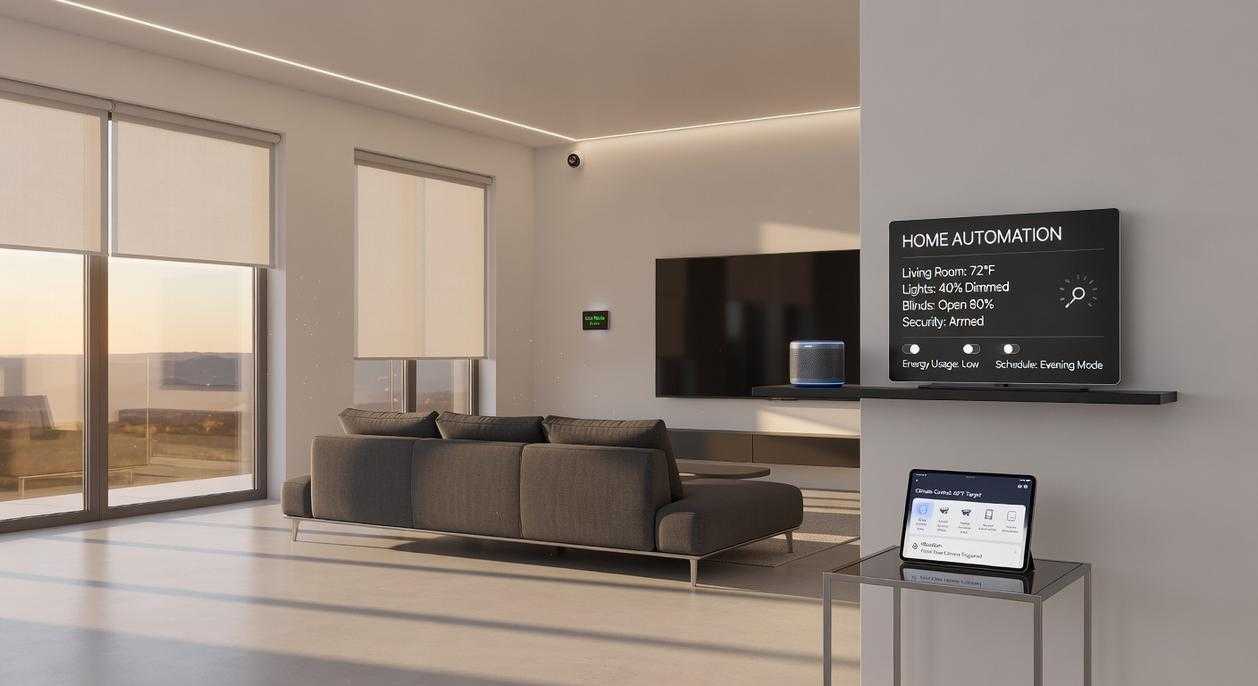
For years, I treated smart tech like a gadget showcase. Bright screens, glowing hubs, blinking indicators—my living room looked less like a sanctuary and more like a sci‑fi set. The mistake? Focusing on features instead of feeling.
AI changes that equation. Instead of commanding your home, it quietly studies patterns—what designers call ambient intelligence (technology that adapts invisibly to human behavior). With smarter ai home assistants integration, lighting can shift from crisp “focus” tones during work hours to warmer hues at night, aligning with circadian rhythm research from Harvard Medical School showing light impacts mood and sleep.
I once over-automated everything for a dinner party—flashing color scenes, loud synced playlists (think nightclub, not Napa). Lesson learned: subtlety wins.
Now, dynamic audio and visual layers work together:
- Smart art displays adjust to match seasonal decor.
- Lighting softens as music tempo slows.
- Movie mode dims without a single visible command.
Skeptics argue this is unnecessary luxury. Fair. But when done right, technology becomes felt, not seen—what I call tech-enhanced design.
And beyond ambiance, pairing mood automation with practical systems like energy efficient smart homes reducing bills with automation proves beauty and efficiency can coexist.
The real lesson? Don’t let tech steal the spotlight. Let it set the mood (quietly).
Enhanced Security and Personalized Routines
At first, I treated smart security like a louder doorbell. Motion alert? Check the camera. Strange noise? Replay the clip. However, that reactive approach quickly became exhausting (and honestly, a little paranoid).
That’s where AI-driven anomaly detection changes everything. Instead of flagging every passing car, the system learns the normal rhythm of your home—regular deliveries at 2 p.m., kids arriving at 3:30, the dog walker on Fridays. Anomaly detection means the AI identifies behavior that breaks established patterns. For example, a 3 a.m. garage opening when no one is scheduled to arrive triggers a higher-priority alert. According to research from IBM, AI-based anomaly detection significantly reduces false positives compared to rule-based systems.
That said, I initially made the mistake of skipping the “training” phase. I armed advanced features too soon, and the system misread normal activity as threats. The lesson? Give it time to learn before judging accuracy.
Meanwhile, personalization goes deeper than custom playlists. Through voice recognition, AI can distinguish users and trigger specific routines—different lighting scenes, news briefings, even thermostat preferences.
To create powerful automation, combine triggers and actions. For instance, “when the last person leaves” can arm security, lower blinds, adjust climate, and power down lights. Done right, ai home assistants integration turns your house into a proactive partner—not just a gadget hub.
Smarter Living Starts Now
You came here looking for practical ways to make your home smarter, more efficient, and easier to manage. Now you understand how thoughtful design, automation, and ai home assistants integration can transform everyday living into a seamless, connected experience.
The real pain point isn’t just outdated decor or scattered devices—it’s the frustration of a home that doesn’t work for you. When your lighting, security, climate, and entertainment systems don’t communicate, convenience turns into complexity.
The good news? You don’t have to settle for that. By applying the smart living concepts and automation tips you’ve explored, you can create a space that saves time, reduces stress, and adapts to your lifestyle.
Ready to simplify your home and future-proof your space? Discover the latest tech-enhanced design strategies and proven smart solutions trusted by modern homeowners. Start upgrading your home today and experience how intelligent design can finally make daily life effortless.
 Laurena Nealight is the kind of writer who genuinely cannot publish something without checking it twice. Maybe three times. They came to home trends daily through years of hands-on work rather than theory, which means the things they writes about — Home Trends Daily, Smart Living Concepts, Practical Home Automation Tips, among other areas — are things they has actually tested, questioned, and revised opinions on more than once.
That shows in the work. Laurena's pieces tend to go a level deeper than most. Not in a way that becomes unreadable, but in a way that makes you realize you'd been missing something important. They has a habit of finding the detail that everybody else glosses over and making it the center of the story — which sounds simple, but takes a rare combination of curiosity and patience to pull off consistently. The writing never feels rushed. It feels like someone who sat with the subject long enough to actually understand it.
Outside of specific topics, what Laurena cares about most is whether the reader walks away with something useful. Not impressed. Not entertained. Useful. That's a harder bar to clear than it sounds, and they clears it more often than not — which is why readers tend to remember Laurena's articles long after they've forgotten the headline.
Laurena Nealight is the kind of writer who genuinely cannot publish something without checking it twice. Maybe three times. They came to home trends daily through years of hands-on work rather than theory, which means the things they writes about — Home Trends Daily, Smart Living Concepts, Practical Home Automation Tips, among other areas — are things they has actually tested, questioned, and revised opinions on more than once.
That shows in the work. Laurena's pieces tend to go a level deeper than most. Not in a way that becomes unreadable, but in a way that makes you realize you'd been missing something important. They has a habit of finding the detail that everybody else glosses over and making it the center of the story — which sounds simple, but takes a rare combination of curiosity and patience to pull off consistently. The writing never feels rushed. It feels like someone who sat with the subject long enough to actually understand it.
Outside of specific topics, what Laurena cares about most is whether the reader walks away with something useful. Not impressed. Not entertained. Useful. That's a harder bar to clear than it sounds, and they clears it more often than not — which is why readers tend to remember Laurena's articles long after they've forgotten the headline.